
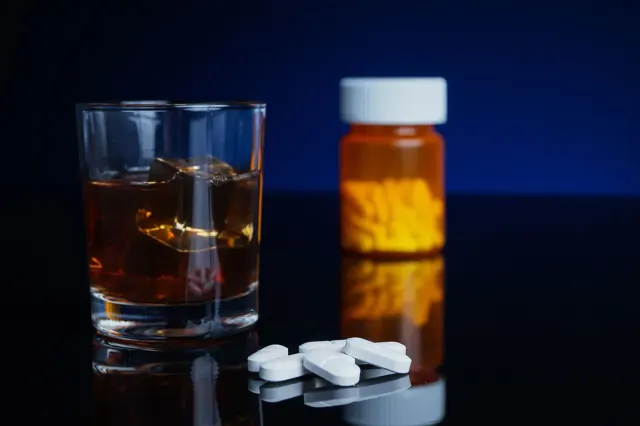
Methadone and alcohol are both central nervous system (CNS) depressants - and combining them can be life-threatening, even at doses that would be safe on their own.
If you or someone you love is on methadone treatment and drinking alcohol, this article explains exactly what happens in the body, why the risks are so severe, and what help is available.
If you think someone is overdosing right now, call 911 immediately. SAMHSA National Helpline: 1-800-662-4357 (free, confidential, 24/7)
What Is Methadone - and Why Is It Prescribed?
Methadone is a long-acting, full opioid agonist used to treat moderate-to-severe pain and, more commonly, opioid use disorder (OUD).
As part of medication-assisted treatment (MAT), methadone works by binding to opioid receptors in the brain - relieving withdrawal symptoms and cravings without producing the intense “high” associated with heroin or prescription painkillers like oxycodone or hydrocodone.
Methadone has been used in addiction treatment for more than 50 years. According to CDC clinical guidance, medication treatment for OUD - including methadone - is associated with reduced risk of overdose and overall mortality.
Because methadone is dispensed only through SAMHSA-certified opioid treatment programs (OTPs), its use is carefully monitored. However, the danger arises when patients drink alcohol while on methadone treatment - a combination that amplifies the effects of both substances.
How Do Methadone and Alcohol Interact in the Body?
Both methadone and alcohol depress the central nervous system - they slow brain activity, heart rate, and breathing.
When taken together, their effects are not simply additive. Research describes this as a synergistic interaction: the combined impact is greater than the sum of each substance’s individual effects.
According to a peer-reviewed study published in the NCBI journal Drug and Alcohol Dependence, even low to moderate levels of alcohol consumption - roughly two to three standard drinks - impaired attention, slowed response time, and worsened cognitive performance in people stabilized on methadone.
This synergistic CNS depression is what makes the combination so unpredictable and dangerous.
What Are the Immediate Side Effects of Mixing Methadone and Alcohol?
The short-term effects of combining methadone and alcohol can appear rapidly and escalate without warning.
Immediate and short-term side effects include:
- Extreme drowsiness and sedation
- Slowed or shallow breathing (respiratory depression)
- Dangerously low blood pressure (hypotension)
- Weakened heart rate (bradycardia)
- Impaired coordination and motor skills
- Loss of consciousness or blackouts
- Nausea and vomiting
- Confusion and difficulty thinking clearly
Alcohol also intensifies the intoxicating effects of methadone, meaning a person may become severely impaired after fewer drinks than they would expect. This unpredictability is itself a serious safety risk - people may not realize how impaired they are until it is too late.
What Are the Long-Term Risks of Combining Methadone and Alcohol?
Continued mixing of methadone and alcohol can cause serious, sometimes irreversible health complications.
Long-term risks include:
- Respiratory failure: Chronic respiratory depression reduces oxygen delivery to vital organs, causing lasting damage to the brain, heart, and lungs.
- Liver damage: Both alcohol and methadone are processed by the liver. Using both simultaneously increases the risk of severe liver disease, particularly for people who also have hepatitis C - a common comorbidity among people with opioid use disorder. The NCBI study on methadone maintenance patients notes that alcohol use worsens liver disease and hepatitis C outcomes in this population.
- Increased overdose risk: According to research published in Drug and Alcohol Dependence, 16% to 25% of patients using opioids for chronic pain have a history of heavy drinking or alcohol dependence - placing them at elevated overdose risk.
- Accelerated addiction: Polysubstance use (using two or more substances together) makes both addiction patterns harder to treat and increases the likelihood of relapse.
- Irregular heart rhythm (arrhythmia): Methadone is already associated with QT interval prolongation - a cardiac risk. Alcohol can compound this effect.
Why Is Overdose Risk So High When Mixing These Two Substances?
When CNS depression becomes severe enough, breathing slows to a halt - and this is the primary mechanism by which methadone-alcohol combinations kill.
Respiratory depression is the leading cause of opioid overdose death. Alcohol amplifies this effect by lowering the threshold at which methadone causes dangerous respiratory slowing.
Critically, an overdose can occur even at therapeutic methadone doses when alcohol is added to the mix. A person taking their prescribed daily dose of methadone and consuming what they consider a moderate amount of alcohol may still experience a fatal overdose.
Signs of a methadone-alcohol overdose include:
- Unresponsiveness or inability to wake the person
- Extremely slow, shallow, or stopped breathing
- Blue or grayish lips, fingernails, or skin (cyanosis)
- Cold or clammy skin
- Gurgling or choking sounds
- Limp body
- Slow or irregular heartbeat
If you observe any of these signs, call 911 immediately. Administer naloxone (Narcan) if it is available - it reverses opioid effects temporarily. Note that naloxone does not reverse the effects of alcohol, so emergency medical care is still required even after naloxone is given. SAMHSA confirms that opioid overdose reversal medications like naloxone are effective even when opioids are combined with other sedatives.
Why Do People Mix Methadone and Alcohol?
Understanding why this combination occurs helps identify who may be at risk.
Unawareness of the danger. Not every person enrolled in methadone treatment fully understands the interaction risks. Some patients drink socially or habitually and don’t realize they are putting themselves in danger. Patient education is a critical but sometimes inconsistent part of OTP care. Identifying methadone pills before consumption is important.
Intentional misuse. Some individuals combine methadone and alcohol deliberately to intensify the sedative effect - seeking stronger euphoria or relief from untreated pain and depression. According to NIDA, co-occurring mood disorders are common among people with opioid use disorder and are frequently underdiagnosed - meaning many people who intentionally mix substances are self-medicating conditions that haven’t been properly treated.
Co-occurring alcohol use disorder. Research published in Drug and Alcohol Dependence found that approximately 25% to 35% of methadone maintenance patients continue using alcohol after entering treatment. When alcohol use disorder is not diagnosed and treated alongside opioid use disorder, the person may continue drinking throughout their MAT program - increasing their risk of severe harm.
What Should You Do If You’re on Methadone and Drinking Alcohol?
Do not stop methadone abruptly. Sudden discontinuation of methadone causes serious withdrawal symptoms and significantly raises your risk of opioid relapse and overdose. Any changes to your methadone dose must be made with your treatment provider.
Tell your care team. If you’re drinking while on methadone, tell your prescribing physician or OTP counselor - even if that feels uncomfortable. This isn’t about judgment. It’s about keeping you safe. They can adjust your care plan, flag complications early, and connect you with additional support.
Consider dual diagnosis treatment. If you have both opioid use disorder and alcohol use disorder, you may benefit from integrated care that addresses both conditions simultaneously. SAMHSA and ASAM both recommend treating co-occurring substance use disorders in the same care episode rather than sequentially - because addressing one while leaving the other untreated rarely leads to lasting recovery.
If you’re unsure where to start, call us at 866.719.2173 to speak with someone at Discover Recovery. We can verify your insurance and walk you through your options at no obligation.
How Is Co-Occurring Opioid and Alcohol Use Disorder Treated?
Getting help for both opioid use disorder and alcohol use disorder at the same time is complicated - but it’s the only approach that actually works. Treating one while leaving the other unaddressed almost always leads to relapse.
Medical detox is typically the first step, particularly for alcohol dependence - alcohol withdrawal can be medically dangerous on its own and may require medication management. Methadone tapering, if appropriate, is usually done gradually rather than abruptly to minimize withdrawal severity.
Medication-assisted treatment (MAT) continues to be a foundation of opioid recovery. FDA-approved medications for OUD include methadone, buprenorphine, and naltrexone. For people with co-occurring alcohol use disorder, naltrexone is particularly noteworthy - it is approved for both conditions and may help reduce cravings for both substances.
Integrated behavioral therapy addresses the psychological drivers of both addictions - including trauma, depression, anxiety, and chronic pain - which often underlie polysubstance use.
Ongoing support through individual counseling, peer support groups, and aftercare planning helps sustain long-term recovery from both disorders.
At Discover Recovery, our clinical teams specialize in dual diagnosis treatment - caring for both substance use disorders and co-occurring mental health conditions at our facilities in Long Beach, WA, Camas, WA, and Portland, OR. Call 866.719.2173 to learn more or verify your insurance today.
Frequently Asked Questions
Can you drink any alcohol while taking methadone?
No amount of alcohol is considered safe while on methadone. Even small amounts of alcohol enhance methadone’s sedative effects and can cause unexpected impairment, respiratory depression, or overdose. Your methadone treatment provider should advise complete alcohol abstinence during treatment.
Can methadone and alcohol together cause sudden death?
Yes. Both substances are CNS depressants, and their combined effects are synergistic - meaning the interaction can cause breathing to slow to a fatal level even at doses that would not be dangerous individually. Emergency medical care is required immediately if overdose is suspected.
Does naloxone work if someone overdoses on methadone and alcohol?
Naloxone (Narcan) reverses the opioid component of an overdose - including methadone. However, it does not reverse the effects of alcohol. Emergency services should always be called, even if naloxone is administered, because the alcohol-related CNS depression will persist.
How common is alcohol use among people on methadone treatment?
Research published in Drug and Alcohol Dependence found that approximately 25% to 35% of methadone maintenance patients continue to use alcohol after entering treatment. Many of these individuals have an undiagnosed alcohol use disorder - and most treatment programs can screen and treat both conditions at the same time.
Is it harder to treat addiction when both alcohol and opioids are involved?
Yes. Polysubstance use - using two or more substances together - makes addiction more complex to treat and increases the risk of relapse. However, integrated dual diagnosis treatment programs are specifically designed to address both conditions simultaneously and improve long-term outcomes.
What should I do if someone I love is mixing methadone and alcohol?
If you believe someone is at immediate risk, call 911. If the situation is not immediately life-threatening but you are concerned, contact an addiction treatment center to discuss intervention options. Discover Recovery’s team is available at 866.719.2173 - we can help you understand your treatment options and decide on a clear next step.