
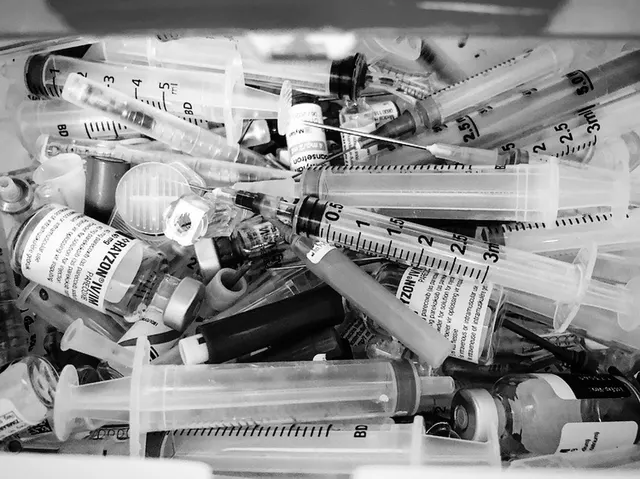
Methamphetamine is one of the most addictive substances a person can encounter, and one of the hardest to walk away from without professional support. If you’re trying to understand what’s happening to yourself or someone you love, this page covers the signs, the science, and what treatment actually looks like.
What is Methamphetamine?
Methamphetamine, called meth or crystal meth for short, is a powerful stimulant drug. Chemically, it resembles a medication called amphetamine which is used to treat attention deficit hyperactivity disorder (ADHD) and a sleep condition known as narcolepsy. Methamphetamine is highly addictive, has a distinct smell and has powerful effects on the human brain. Without treatment, meth addiction can lead to several short- and long-term health effects, both psychological and physical. Seeking treatment at a meth addiction treatment center Washington can reduce and reverse many of the negative consequences of meth use and recovery is possible.
According to the 2022 National Survey on Drug Use and Health (NSDUH), 1.8 million Americans aged 12 and older had a methamphetamine use disorder that year. In 2023, 36,000 Americans died from psychostimulant overdoses - the majority involving meth - before a modest national decline began.
How Does Meth Addiction Develop?
Meth works primarily by flooding the brain with dopamine - the neurotransmitter linked to pleasure, motivation, and reward. According to NIDA, meth causes dopamine to surge at levels many times higher than the brain produces naturally, which is the primary driver of its addictive potential.
The result is an intense rush of euphoria, energy, and confidence. But that rush fades quickly - within minutes for smoked or injected meth - and what follows is a crash: exhaustion, irritability, and a powerful urge to use again.
Over time, the brain adapts. Dopamine receptors become less sensitive. The brain produces less dopamine on its own. Activities that once felt rewarding - food, relationships, exercise - feel flat or joyless. The person needs meth just to feel functional. That’s how physical and psychological dependence develop, often faster than people expect.
Physical Signs of Meth Addiction
Meth takes a visible toll on the body. The physical changes associated with long-term use are among the most recognizable of any substance.
Meth Mouth
Severe dental decay - teeth rotting, cracking, and falling out - is so closely associated with methamphetamine use that it’s widely known as “meth mouth.” It’s caused by a combination of dry mouth (meth reduces saliva production), teeth grinding (bruxism), neglect of oral hygiene, and the corrosive chemicals in illicitly manufactured meth. A study published in the Journal of the American Dental Association - examining 571 meth users - found that 96% had cavities and 58% had untreated tooth decay.
Skin Sores and “Meth Mites”
Meth can cause tactile hallucinations - the sensation of insects crawling under the skin. People respond by scratching compulsively, creating open wounds that can become infected. Combined with reduced blood flow and neglect of personal hygiene, the result is often visible sores and scarring on the face, arms, and legs.
Rapid Weight Loss and Muscle Wasting
Meth suppresses appetite dramatically. People using regularly often stop eating consistently, leading to severe weight loss and muscle loss over time. The physical appearance of someone in active meth use often changes rapidly - visible weight loss, hollowed cheeks, and premature aging are common.
Other Physical Signs
- Dilated pupils and rapid eye movement
- Increased sweating and body odor
- Elevated heart rate and body temperature
- Disrupted sleep - staying awake for 24–72 hours (“tweaking”), followed by prolonged crashes
- Burn marks on the lips or fingers (from a heated pipe)
- Track marks or injection sites on the arms
Behavioral and Psychological Signs of Meth Addiction
Physical changes are often accompanied by significant shifts in behavior and mental state. For family members, these behavioral signs are frequently the first warning that something is seriously wrong.
Behavioral Warning Signs
- Hyperactivity and agitation - constant movement, inability to sit still, talking rapidly
- Sleep disruption - days without sleep, then long crashes
- Secretive or deceptive behavior - hiding activities, unexplained absences, lying about whereabouts
- Financial instability - unexplained money problems, borrowing, or theft
- Social withdrawal - pulling away from family, friends, and activities they once cared about
- Neglect of responsibilities - missing work, failing to care for children, abandoning commitments
Psychological Warning Signs
- Intense mood swings - rapid shifts from euphoria to irritability, anger, or despair
- Anxiety and restlessness - persistent nervousness, inability to feel calm
- Paranoia and suspicion - increasing distrust of others, belief of being watched or followed
- Cognitive decline - difficulty concentrating, short-term memory lapses, mental fog
- Depression - persistent low mood, particularly during or after periods of heavy use
Meth-Induced Psychosis and Co-Occurring Mental Health Disorders
One of the most serious, and least discussed, consequences of meth addiction is its connection to severe mental health crises.
Meth-Induced Psychosis
High doses of meth, or prolonged heavy use, can cause psychosis: hallucinations, delusions, and paranoia that resemble the symptoms of schizophrenia. A person experiencing meth-induced psychosis may believe they’re being followed, hear voices, or see things that aren’t there. In some cases, these symptoms persist for weeks or months after stopping meth use, and may require psychiatric care.
Meth and Co-Occurring Disorders
According to NIDA, methamphetamine use is strongly linked to co-occurring mental health conditions - including depression, anxiety, PTSD, and bipolar disorder. In some cases, underlying mental health conditions contribute to drug use. In others, meth use triggers or worsens psychiatric symptoms. Either way, treating the addiction without addressing the mental health side rarely produces lasting results.
This is where Discover Recovery’s co-occurring disorder treatment program becomes directly relevant. Rather than treating substance use and mental health sequentially - first detox, then maybe mental health - Discover Recovery addresses both simultaneously. For people with meth addiction, this integrated approach is often what makes the difference between cycling through treatment and achieving lasting recovery.
Meth Withdrawal: What to Expect
One of the reasons meth addiction is so hard to break is what happens when someone stops. Meth withdrawal isn’t usually life-threatening the way alcohol withdrawal can be - but it’s profoundly uncomfortable, and the psychological symptoms can persist for weeks.
Meth Withdrawal Symptoms
- Intense fatigue and hypersomnia - sleeping 12–20+ hours per day for days or weeks
- Depression - sometimes severe, including hopelessness and suicidal thoughts (If you or someone you know is in crisis, call or text 988 for immediate support.)
- Intense cravings - one of the strongest of any substance withdrawal
- Increased appetite - the body attempting to recover from malnutrition
- Cognitive fog - difficulty concentrating, slow thinking, memory problems
- Anxiety and irritability - heightened nervousness, short temper, and emotional volatility during and between uses
Meth Withdrawal Timeline
Most people experience the worst symptoms in the first 24–72 hours after stopping. The acute phase typically lasts 7–10 days. Post-acute withdrawal - including persistent depression, cognitive difficulties, and cravings - can last weeks to months, particularly after long or heavy use.
Because the psychological symptoms can be so severe - including depression serious enough to drive relapse or, in some cases, suicidal ideation - medical support during withdrawal matters. Discover Recovery’s medical detox program provides 24/7 monitoring and care during this vulnerable period.
Meth Overdose: Signs and What to Do
Meth overdose is a medical emergency. The symptoms can escalate fast - and unlike opioid overdose, there is no reversal medication like naloxone. Knowing the warning signs can save a life.
Signs of Meth Overdose
- Severe chest pain or irregular heartbeat
- Shortness of breath
- High fever (hyperthermia) and hot, flushed skin
- Heavy sweating
- Severe headache
- Seizures
- Extreme agitation, confusion, or violent behavior
- Stroke symptoms (sudden weakness, facial drooping, slurred speech)
- Loss of consciousness
What to Do
Call 911 immediately. Don’t wait to see if the symptoms pass. Tell emergency responders what the person took - medical professionals are there to help, not to report. Washington and Oregon both have Good Samaritan laws designed to protect people who call 911 for a drug emergency from certain legal consequences.
Treatment for Meth Addiction in Washington and Oregon
Meth addiction is treatable. It requires a structured, sustained approach - and it almost always requires professional support, because the brain changes caused by prolonged meth use make recovery without help extremely difficult.
Why Behavioral Therapy Is the Foundation
Unlike opioid use disorder, there is currently no FDA-approved medication specifically for methamphetamine addiction. Treatment is built on evidence-based behavioral therapies.
The primary evidence-based treatments include:
Cognitive Behavioral Therapy (CBT) helps people identify the thought patterns and situations that trigger use, and develop practical strategies for responding differently. CBT is one of the best-studied and most effective approaches for stimulant use disorders.
The Matrix Model is a structured outpatient program developed specifically for stimulant addiction. It combines CBT, family education, drug testing, and 12-step participation over a 16-week period.
Contingency Management uses positive reinforcement - tangible rewards for negative drug tests and consistent treatment attendance - to build new patterns of behavior. Research consistently shows it improves retention and outcomes in stimulant treatment.
Motivational Interviewing (MI) helps people resolve ambivalence about change. It’s particularly useful in early treatment, when someone isn’t fully committed to recovery.
EMDR (Eye Movement Desensitization and Reprocessing) is used for trauma processing - important because trauma history is common among people with meth addiction.
Meth Addiction Treatment at Discover Recovery
Discover Recovery provides meth addiction treatment across its Washington and Oregon locations - Long Beach, WA; Camas, WA; and Portland, OR. Treatment follows a full continuum of care:
- Medical Detox - Supervised withdrawal with 24/7 monitoring and symptom management
- Residential Treatment - Structured, immersive 24/7 care in a residential setting; the most intensive level of treatment
- Partial Hospitalization Program (PHP) - Intensive daily programming while living off-site
- Intensive Outpatient Program (IOP) - Structured treatment several days a week, integrated with daily life
- Sober Living - Transitional housing with accountability and peer support
- Aftercare - Ongoing recovery support after formal treatment ends
Because meth addiction so commonly co-occurs with mental health conditions, Discover Recovery’s dual diagnosis treatment approach treats substance use and mental health together - not as separate problems handled in sequence.
Discover Recovery is CARF-accredited and Joint Commission approved, with medical oversight led by Kevin Fischer, MD.
Meth Addiction in the Pacific Northwest
Methamphetamine is not an equally distributed problem across the United States. It’s concentrated in the West - and Washington and Oregon are among the most affected states.
According to the DEA’s 2024 National Drug Threat Assessment, methamphetamine and other synthetic stimulants account for approximately 30% of all drug-related deaths in the United States - and the burden falls disproportionately on the West. SAMHSA treatment data shows meth accounts for 12–29% of substance use treatment admissions at sites west of the Mississippi River, compared to less than 1% at sites east of it. Washington and Oregon sit squarely in the most affected region in the country.
Recovery is possible with the proper support groups. Discover Recovery’s clinical team works with people from across Washington and Oregon - many of whom have been through treatment before - and understands that meth recovery requires more time and more structure than most other substance use disorders.
Frequently Asked Questions
Is meth physically addictive? Yes. Meth creates both physical and psychological dependence. Physically, the brain’s reward and dopamine systems adapt to the presence of the drug, making it difficult to feel pleasure or function normally without it. Psychologically, the intense cravings and mood disruption associated with stopping can be overwhelming without support.
How long does meth withdrawal last? Acute withdrawal symptoms typically peak in the first 24–72 hours and improve significantly within 7–10 days. Post-acute symptoms - particularly depression, cognitive fog, and cravings - can persist for weeks to months, especially after long or heavy use. Many people benefit from professional support during the full post-acute phase, not just the first week.
Can meth addiction be treated without medication? Yes - and behavioral therapy is the foundation of meth treatment. Unlike opioid addiction, there’s currently no FDA-approved medication for methamphetamine use disorder. Evidence-based behavioral approaches including CBT, the Matrix Model, and contingency management are the primary treatments. NIDA research is investigating combination medications as potential adjuncts, but these aren’t yet standard of care.
What is meth-induced psychosis? Meth-induced psychosis is a psychiatric state caused by heavy or prolonged meth use, characterized by hallucinations (often auditory or visual), paranoid delusions, and disorganized thinking. It can resemble schizophrenia and may persist for weeks or months after stopping meth, requiring psychiatric treatment. It’s one of the most serious complications of meth addiction.
How do I help someone who is addicted to meth? Start with safety - if someone is in immediate danger, call 911. If the situation isn’t an emergency, learning about treatment options is the most useful thing you can do. You can’t force recovery, but you can remove barriers to it. Contact our team at 866.719.2173 - we work with families to help them understand options, approach conversations effectively, and support their loved one through treatment.
How is meth addiction different from other stimulant addictions? Meth’s effects are more intense and longer-lasting than cocaine, and its neurological damage is more severe. Recovery from meth-related brain changes - particularly to dopamine systems and cognitive function - takes longer than with most other stimulants. The post-acute withdrawal phase, including depression and anhedonia, is also typically more prolonged. This is why the structure of residential or intensive outpatient treatment often matters more for meth than for shorter-acting stimulants.
Does Discover Recovery treat meth addiction in Washington and Oregon? Yes. Discover Recovery provides meth addiction treatment at locations in Long Beach, WA; Camas, WA; and Portland, OR. Treatment is available across the full continuum - from medical detox through residential care, PHP, IOP, and sober living. Our dual diagnosis approach means we treat meth addiction alongside any co-occurring mental health conditions simultaneously, which is particularly important for meth. Call us at 866.719.2173 or verify your insurance online to take the first step.
Ready to Take the Next Step?
Meth addiction is serious. It changes how the brain works, how the body looks, and how life feels. But it is treatable - and people recover from it every day.
If you or someone you love is struggling with meth addiction in Washington or Oregon, Discover Recovery’s team is here to help. Call 866.719.2173 to speak with someone today, or verify your insurance online to understand your coverage before you call.
A conversation is free. Your insurance may cover more than you think.