
Drugs and alcohol fundamentally alter brain chemistry and neural pathways. When substances flood the brain with dopamine, the brain adapts by reducing its own natural production. Over time, these changes become the new baseline, creating the foundation for addiction. The encouraging news: the brain’s neuroplasticity allows it to heal and rewire itself during recovery, though the timeline varies based on multiple factors.
Understanding How Addiction Changes the Brain
The Effects Of Drugs and Alcohol On The Human Brain
What Happens to Your Brain During Addiction?
Addiction is a chronic brain disease that disrupts normal neural circuits. When someone uses drugs or alcohol, these substances hijack the brain’s natural reward system, creating artificially high dopamine levels that far exceed what the brain produces during naturally pleasurable activities.
To maintain balance, the brain reduces its own dopamine production and becomes less sensitive to dopamine’s effects. This is why tolerance develops — people with addiction need increasingly larger amounts to achieve the same effect.
Which Brain Regions Does Addiction Affect?
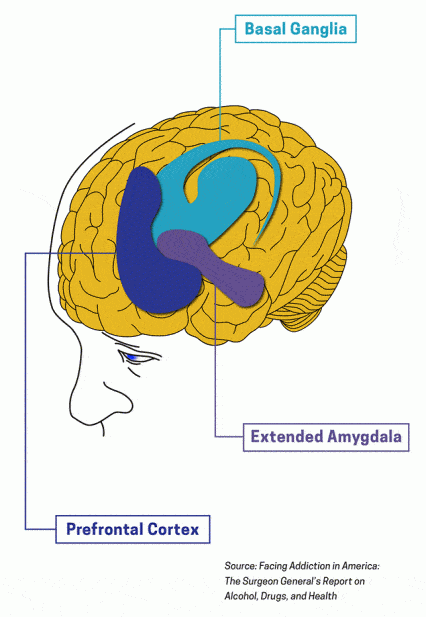
According to the National Institute on Drug Abuse (NIDA), three primary brain areas undergo significant changes:
The Basal Ganglia (Reward Circuit): Controls motivation and pleasure responses. During addiction, this region becomes hypersensitive to drug-related cues while less responsive to natural rewards. This explains why people with substance use disorders often report that previously enjoyable activities no longer bring pleasure.
The Extended Amygdala (Stress Response Center): Regulates stress and anxiety. With chronic substance use, this area becomes increasingly sensitized, causing heightened anxiety and discomfort when the substance is absent — a key driver of continued use.
The Prefrontal Cortex (Executive Control Center): Governs decision-making and impulse control. Addiction significantly impairs this region, making it difficult to resist cravings or weigh long-term consequences.
How Different Substances Affect the Brain
Opioids: Bind to receptors throughout the brain and body, including the brain stem, affecting basic functions like breathing. This is why opioid overdoses can be fatal — the brain’s respiratory control center is directly compromised.
Stimulants (Cocaine, Methamphetamine): Cause massive dopamine surges, creating particularly severe alterations in the reward circuit. Research by Wang et al. found that brain metabolism in people who used methamphetamine showed meaningful improvement after 12–17 months of abstinence — particularly in the thalamus — though some striatal deficits persisted even after prolonged abstinence, suggesting that recovery is real but not always complete.
Alcohol: Affects multiple neurotransmitter systems simultaneously and can cause significant structural brain damage, including shrinkage of the hippocampus and frontal lobes with long-term heavy use.
The Science Behind Brain Rewiring
What Is Neuroplasticity?
Neuroplasticity is the brain’s ability to reorganize itself by forming new neural connections throughout life. This fundamental property makes recovery possible. Just as the brain adapted to accommodate substance use, it can adapt again to function without drugs or alcohol.
During recovery, neuroplasticity enables neural pathway reconstruction, neurotransmitter rebalancing, cognitive function restoration, and emotional regulation recovery.
How the Brain Rewiring Process Works
Brain rewiring in recovery is essentially reprogramming neural responses to triggers. This happens in four stages:
- Trigger Identification: Recognizing specific cues that activate cravings (locations, emotions, people, situations)
- Interrupting Automatic Responses: Consciously breaking the trigger-to-use pattern
- Creating Alternative Pathways: Developing new responses (calling a friend, exercising, meditation)
- Reinforcing Through Repetition: Strengthening new pathways until they become automatic
The neuroscience principle here is often stated as “neurons that fire together, wire together.” Each time someone practices a new coping response instead of reaching for a substance, the healthier pathway gets a little stronger and the addiction-related pathway gets a little weaker.
Complete Timeline: How Long Does Brain Rewiring Take?
The Reality: It Varies Significantly
While 90 days is often cited as a benchmark, complete brain rewiring depends on the substance used, duration and severity of use, individual health factors, and quality of treatment. Some improvements occur within weeks, while full recovery can take months or years.
One common misconception is that the brain “resets” after 21 or 30 days of sobriety. This idea comes from popular habit-formation literature but isn’t supported by addiction neuroscience. While early withdrawal symptoms often resolve within the first few weeks, the deeper neurological changes underlying addiction — changes to dopamine signaling, prefrontal cortex function, and stress response circuits — take considerably longer to reverse. Recovery is a process measured in months, not weeks.
Week 1: Acute Withdrawal and Initial Stabilization
What’s Happening: Your brain experiences chemical imbalance as it attempts to recalibrate without substances. Neurotransmitter levels fluctuate dramatically.
What You’ll Experience:
- Withdrawal symptoms (anxiety, irritability, insomnia, physical discomfort, intense cravings)
- Cognitive impairment: difficulty concentrating, mental fog
- Emotional dysregulation and mood swings
- Reduced pleasure response (anhedonia)
Critical Note: Withdrawal from alcohol and benzodiazepines can be medically dangerous. Medically supervised detoxification is strongly recommended.
Weeks 2-4: Early Stabilization
What’s Happening: Brain chemistry begins stabilizing. Neurotransmitter production normalizes gradually. Neural inflammation decreases.
What You’ll Experience:
- Acute withdrawal symptoms subside
- Mental clarity improves
- Sleep patterns normalize
- Energy levels increase
- Cravings remain but become less constant
Months 2-3: Neurochemical Rebalancing
What’s Happening: Dopamine production and receptor sensitivity improve significantly. New neural pathways from therapy begin solidifying.
What You’ll Experience:
- Marked cognitive improvement: better memory, clearer thinking
- More stable mood
- Natural activities begin providing genuine satisfaction
- Significantly improved sleep quality
- Decreased craving frequency
Many people describe this as “turning a corner” with increasingly more good days than difficult ones.
Months 4-6: Neural Pathway Strengthening
What’s Happening: Healthy neural pathways become more automatic. The prefrontal cortex regains executive function capacity. Neurogenesis continues, especially in the hippocampus.
What You’ll Experience:
- Executive functions approaching pre-addiction levels
- Significantly improved emotional regulation
- Largely restored reward responsiveness
- Less frequent, less intense cravings
- Improved stress tolerance
Months 6-12: Sustained Recovery
What’s Happening: Long-term brain healing continues. Structural brain changes begin reversing—brain volume in affected regions gradually increases.
What You’ll Experience:
- Cognitive function at or exceeding baseline
- Stable emotional well-being
- Fully restored pleasure responses
- Rare, brief, manageable cravings
- Normalized stress response
Most people report feeling “like themselves again” or better. Recovery feels sustainable rather than precarious.
Year 1 and Beyond: Ongoing Growth
Brain healing continues beyond the first year, with some structural and functional improvements occurring for two to three years or more. Long-term recovery brings cumulative benefits extending far beyond just not using substances.
Factors That Influence Recovery Speed
What Determines How Quickly Your Brain Heals?
- Type of Substance Used
- Stimulants often cause severe dopamine disruption, requiring longer recovery
- Alcohol can cause extensive structural damage
- Opioids create profound changes in reward pathways
- Cannabis generally has shorter recovery timelines
- Duration and Severity of Use
- Total years of regular use
- Quantities consumed
- Pattern of use (daily vs. periodic)
- Polysubstance use
- Age of onset
- Individual Health Factors
- Age (younger brains show greater plasticity, though recovery is possible at any age)
- Genetics
- Overall physical health
- Nutrition status
- Sleep quality
- Co-Occurring Mental Health Conditions Depression, anxiety, PTSD, ADHD, and other conditions can complicate recovery and require integrated treatment.
- Quality of Treatment
- Evidence-based modalities like CBT and DBT
- Comprehensive care addressing physical, mental, and social factors
- Adequate treatment duration (minimum 90 days recommended)
- Holistic interventions
- Social Support and Environment
- Strong support network
- Stable, substance-free living environment
- Meaningful employment or purpose
- Recovery community involvement
Evidence-Based Strategies to Support Brain Healing
How to Actively Accelerate Recovery
While the brain has innate healing capacity, specific interventions can significantly enhance neurological recovery.
1. Exercise: The Most Powerful Tool
Physical activity stimulates BDNF (brain-derived neurotrophic factor), increases hippocampus volume, enhances dopamine production, and naturally boosts mood-regulating neurotransmitters.
Action Steps:
- Start with 10-15 minute walks daily
- Progress to 30-45 minutes of moderate activity most days
- Choose enjoyable activities: walking, swimming, cycling, yoga
- Prioritize consistency over intensity
2. Nutrition for Brain Repair
The brain requires specific nutrients for neurotransmitter synthesis and cellular repair.
Key Nutritional Strategies:
- Protein: Lean meats, fish, eggs, legumes provide amino acids for dopamine and serotonin
- Omega-3 Fatty Acids: Fatty fish, walnuts, flaxseeds support neural health
- Complex Carbohydrates: Whole grains, vegetables provide stable brain energy
- B Vitamins: Leafy greens, eggs support neurotransmitter production (especially important after alcohol use)
- Antioxidants: Berries, dark leafy greens combat oxidative stress
- Hydration: 8-10 glasses of water daily
3. Sleep: When the Brain Heals Most
During sleep, the brain consolidates memories, clears metabolic waste, repairs neural connections, and restores neurotransmitter balance.
Sleep Optimization:
- Consistent sleep schedule (same bedtime and wake time daily)
- Dark, cool (65-68°F), quiet bedroom
- 30-60 minute wind-down routine
- Avoid screens 1-2 hours before bed
- No caffeine after 2 PM
4. Stress Management
Chronic stress impairs neuroplasticity and increases relapse risk. Effective techniques include:
- Mindfulness meditation: Strengthens prefrontal cortex function (start with 5-10 minutes daily)
- Deep breathing: Activates relaxation responses (try box breathing: 4-4-4-4)
- Yoga: Combines movement, breathwork, and mindfulness
- Nature exposure: Reduces stress hormones
- Creative expression: Art, music, writing provide healthy emotional outlets
5. Social Connection
Positive relationships reduce stress hormones, increase bonding neurochemicals, provide emotional support, and activate reward circuits through healthy means.
Building Support:
- Recovery community involvement (12-step program, SMART Recovery, etc.)
- Reconnect with supportive family and friends
- Group therapy participation
- Volunteer or join interest-based groups
6. Establishing Routine
Healthy routines reduce decision fatigue, create predictability, help establish automatic healthy behaviors, and build self-efficacy.
Treatment Approaches That Accelerate Rewiring
Why Professional Treatment Makes a Difference
Evidence-based treatment significantly accelerates brain rewiring and improves long-term outcomes. Professional care provides structured environments, expert guidance, proven therapeutic interventions, and comprehensive support.
Cognitive Behavioral Therapy (CBT)
CBT directly targets neural pathways that maintain addictive behaviors by teaching individuals to identify automatic thoughts, challenge cognitive distortions, and develop alternative behavioral responses. Each practice session weakens old pathways and strengthens new ones.
Dialectical Behavior Therapy (DBT)
DBT teaches four core skills essential for recovery:
- Mindfulness: Present-moment awareness
- Distress Tolerance: Surviving crisis without making it worse
- Emotion Regulation: Managing difficult feelings effectively
- Interpersonal Effectiveness: Building healthy relationships
Holistic and Complementary Approaches
Mindfulness and Meditation: Regular practice increases gray matter density, strengthens prefrontal cortex connections, and reduces stress reactivity.
Yoga: Improves GABA levels, enhances prefrontal function, and reduces stress hormones.
Medication-Assisted Treatment (MAT)
For opioid and alcohol use disorders, medications can stabilize neurochemistry and reduce cravings, allowing the brain to heal while individuals develop recovery skills.
Evidence-Based Treatment at Discover Recovery
At Discover Recovery in Portland, OR, Long Beach and Camas Washington, our programs are designed to support and accelerate brain rewiring through an integrated, evidence-based approach.
Our Comprehensive Treatment Components
- Medically Supervised Detoxification: Safe withdrawal management with 24/7 medical monitoring
- Individual Therapy: One-on-one sessions using CBT, DBT, and trauma-informed approaches
- Group Therapy: Process groups, psychoeducation, and skill-building with peer support
- Holistic Integration: Mindfulness, meditation, yoga, nutrition counseling, and exercise
- Family Involvement: Education and therapy to repair relationships and build support systems
- Continuing Care Planning: Comprehensive discharge planning with ongoing support connections
Contact Discover Recovery today to learn how our comprehensive programs can support your brain’s remarkable healing capacity and your journey to lasting recovery.
Frequently Asked Questions
How long does it take for the brain to rewire from addiction?
The timeline varies significantly, but meaningful changes typically begin within weeks. Most people experience substantial improvements within 3-6 months, with continued healing for 1-2 years or longer. Factors include substance type, duration of use, overall health, and quality of treatment.
Can the brain fully heal from addiction?
Yes, the brain has remarkable healing capacity due to neuroplasticity. While severe or prolonged use may cause lasting changes, most people achieve significant recovery of cognitive function, emotional regulation, and normal dopamine functioning. Brain imaging confirms structural and functional improvements during sustained recovery.
How long does it take for dopamine levels to return to normal?
Dopamine recovery varies by substance and individual. For many, dopamine production begins improving within the first month and continues normalizing over 3-6 months. Complete restoration can take 6-12 months or longer, particularly for stimulant users.
Does exercise really help rewire the brain?
Yes, exercise is one of the most powerful interventions. It stimulates BDNF production, increases hippocampus volume, naturally boosts dopamine and serotonin, and significantly lowers relapse risk. Even 30 minutes of moderate exercise most days provides substantial neurological benefits.
What role does therapy play in brain rewiring?
Therapy provides structured methods for creating new neural pathways. CBT teaches alternative responses to triggers, directly strengthening new circuits through repeated practice. DBT builds emotional regulation skills. Each time someone practices a new coping skill, they reinforce new pathways while weakening addiction-related circuits.
How long does it take for the brain to recover from addiction?
Recovery timelines vary by person, but most people experience meaningful cognitive improvements within 3–6 months of stopping substance use. Structural brain changes—such as increases in prefrontal cortex volume—can continue for one to two years or longer. The type of substance used, duration of use, and quality of treatment all affect how quickly recovery progresses.
What does healing the brain after addiction actually look like?
Healing happens in stages. In the first weeks, neurotransmitter levels begin to stabilize. By months two through three, dopamine production and receptor sensitivity improve noticeably. By months four through six, the prefrontal cortex—the brain’s decision-making center—regains much of its executive function. Most people describe feeling genuinely like themselves again somewhere between six and twelve months into sustained recovery.
Sources
- National Institute on Drug Abuse (NIDA) — Drugs, Brains, and Behavior: The Science of Addiction
- Wang et al. (2004) — Partial Recovery of Brain Metabolism in Methamphetamine Abusers After Protracted Abstinence. American Journal of Psychiatry.
- Volkow & Baler (2013) — Brain Imaging Biomarkers to Predict Relapse in Alcohol Addiction. JAMA Psychiatry.

Reviewed By: Dr. Kevin Fischer, M.D.
Kevin Fischer, MD is an experienced leader in the fields of Internal Medicine and Addiction Medicine. He works with patients suffering from Substance Use Disorder to evaluate their comprehensive health needs and prescribe Medication-Assisted Treatment (MAT). In addition, he mentors aspiring health professionals and leads collaborative care through team-based medical models. He also directs treatment strategies and streamlines clinical protocols for effective substance use recovery.