
Starting treatment takes courage – and not knowing what comes next can make it harder to take that step. This guide walks through each week of your first 30 days at Discover Recovery: what happens clinically, what you’ll feel, and what you’ll be working toward. The more clearly you can picture it, the less daunting it becomes.
What You’ll Feel in the First Few Days
Before anything clinical happens, there’s the emotional reality of arrival. Most people walking through the door feel some combination of relief, fear, and uncertainty - sometimes in the same hour. That’s normal. Homesickness hits quickly for some people, even when home wasn’t a safe or comfortable place. The structure of treatment can feel rigid at first. You may feel irritable, emotionally raw, or disconnected as your body begins to change without substances. These feelings don’t mean you’ve made a mistake - they mean your nervous system is adjusting. The clinical team at Discover Recovery is trained to recognize and support this transition. You won’t be expected to hit the ground running. Day one is about getting settled, feeling safe, and beginning - not about being ready.
Day 1: Admissions and Orientation
Reaching out for help starts a simple, supportive intake process. When you contact Discover Recovery, an admissions specialist listens to your goals, gathers essential history, and helps determine which program is the right fit - whether that’s medical detox, residential care, or a step-down option. Insurance benefits are verified upfront so you understand costs before you arrive. When you get to campus, a comprehensive intake begins. Your care team will ask about your medical history, substance use history, and any mental health conditions. Because substance use and mental health concerns often overlap, screening for co-occurring disorders happens on day one. You’ll tour the facility, meet your multidisciplinary care team - nursing, medical providers, therapists - and begin building a personalized treatment plan. Orientation covers your room and shared spaces, daily routines, safety guidelines, and how to stay connected with loved ones. The first day is intentionally gentle: a balance of rest and gradual introduction to the schedule. Honesty during intake matters. Accurate information helps your team tailor medication needs, therapy frequency, and safety planning to your specific situation.
Week 1: Detox and Stabilization
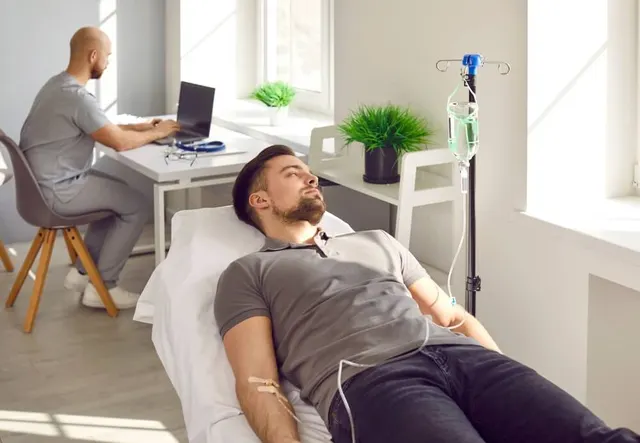
If clinically indicated, you begin a medically supervised detoxification process with around-the-clock support. What detox looks like Detox includes frequent vital checks, medical monitoring, and appropriate comfort measures. When indicated, clinicians use medications to ease symptoms, support sleep, and reduce risk. Nutrition, rest, and consistent support help your nervous system begin recovering from acute stress. Common symptoms and how they’re managed Depending on your history and the substances involved, withdrawal symptoms can include anxiety, insomnia, tremors, nausea, and mood shifts. Your team checks in regularly, adjusts medications when appropriate, and offers grounding techniques and supportive counseling. Alcohol and benzodiazepine withdrawal in particular can be medically serious - supervised detox reduces complications and creates a safe bridge into therapeutic work. How long detox lasts Most people complete detox in three to seven days, though timelines vary based on substance type, dosage, duration of use, and overall health. Your plan is adjusted daily until you’re stable enough to fully engage in group sessions, individual counseling, and wellness activities. Where medication-assisted treatment (MAT) fits For certain substance use disorders, FDA-approved medications can be integrated into care. Options include buprenorphine for opioid use disorder, and naltrexone, acamprosate, or disulfiram for alcohol use disorder. Your care team will explain the options, benefits, and risks, and - if appropriate - incorporate medication-assisted treatment with therapy, skills practice, and relapse-prevention planning. According to SAMHSA, combining medication with counseling and behavioral therapies produces the best patient outcomes - improving retention in care and reducing illicit drug use. SAMHSA’s MAT guidelines inform Discover Recovery’s detox protocols.
Week 2: Therapeutic Engagement
By the second week, the acute physical symptoms of withdrawal have typically stabilized. Clarity starts to return - not all at once, but incrementally. This is when the therapeutic work begins in earnest. Individual therapy begins You’ll start regular one-on-one sessions with your primary therapist. Early sessions focus on building trust, identifying the patterns that drove substance use, and setting near-term goals. Your therapist may use CBT or DBT-informed approaches depending on your history and what the assessment indicated. Group therapy takes shape Group therapy becomes a daily anchor. Process groups help you make sense of early experiences, reduce shame, and hear from others at different stages of recovery. Skills groups introduce concrete tools: identifying triggers, managing cravings in the moment, communication strategies. The emotional roller coaster levels slightly Week two often brings emotional swings: some hours feel clearer and even hopeful; others feel heavy. This is the brain’s neurochemistry rebalancing. Sleep may still be disrupted. Appetite usually begins returning. Irritability and mood variability are expected and don’t indicate a problem with treatment. Co-occurring disorder evaluation deepens For many people, a mental health condition - depression, anxiety, PTSD, bipolar disorder - has been running alongside substance use, often untreated or self-medicated. Week two is when the clinical team begins a more thorough evaluation of what’s present. Addressing both simultaneously, rather than sequentially, is associated with significantly better outcomes, according to SAMHSA’s co-occurring disorders guidelines.
Weeks 3–4: Skill-Building and Transition Planning
The final stretch of your first month shifts from stabilization to preparation. You’re building the skills and the plan you’ll carry forward. Relapse prevention planning You’ll develop a written relapse prevention plan - your personal map for what comes next. This includes identifying triggers, early warning signs, and specific coping responses. It covers your daily routine, a craving-management strategy, accountability check-ins, and crisis contacts. This isn’t a generic checklist: it’s built around your life, your patterns, and your support system. Family therapy and reintegration work With your consent, clinicians facilitate family sessions and education about substance use disorders. These conversations focus on communication, boundary-setting, and practical ways loved ones can support recovery at home without over-functioning. Practicing these conversations in session reduces friction and misunderstanding when you return. Setting 30/60/90-day goals Your clinician helps you set clear, realistic milestones - therapy attendance, peer support meeting frequency, medication schedules, sleep and movement routines, and reconnection with sober supports. Goals get adjusted as life changes. Step-down planning begins As day 30 approaches, your care team works with you to right-size next steps based on your progress, risk factors, home environment, and schedule. Many people transition to outpatient treatment - either standard outpatient therapy or a more intensive option. Discover Recovery’s Portland, OR location offers PHP and IOP for clients stepping down from residential care.
Daily structure
A predictable, supportive day reduces decision fatigue and helps you rebuild healthy routines. Structure is a cornerstone of early recovery, and it’s calibrated to your needs as you stabilize. Morning
Mornings usually begin with self-care, a mindful check-in, and a process group or skills-based block. Depending on your plan, you might focus on developing coping strategies for cravings, doing grounding exercises, or DBT-informed emotion regulation. As you progress, you’ll layer in more targeted work, such as relapse-prevention planning. Afternoon
Afternoon blocks include individual therapy and group therapy sessions, plus education on routines that protect physical health and sleep. Topics may cover the science of addiction, identifying triggers and early warning signs, building routines, repairing relationships, or developing life skills that support long-term recovery. Evening
Evenings emphasize reflection and connection: peer support meetings, journaling, wellness or creative activities, and sleep hygiene to support restorative rest. Quiet time is not empty time: it consolidates what you’ve learned and prepares you for the next day’s programs. Consistent structure supports healthy habits and keeps the recovery process moving forward.
Core therapies
Your treatment plan blends evidence-based therapies with holistic supports and is tailored to your goals, history, and stage of care. Throughout your first 30 days, you’ll explore both individual and group work while practicing practical skills you can use right away.
Individual therapy
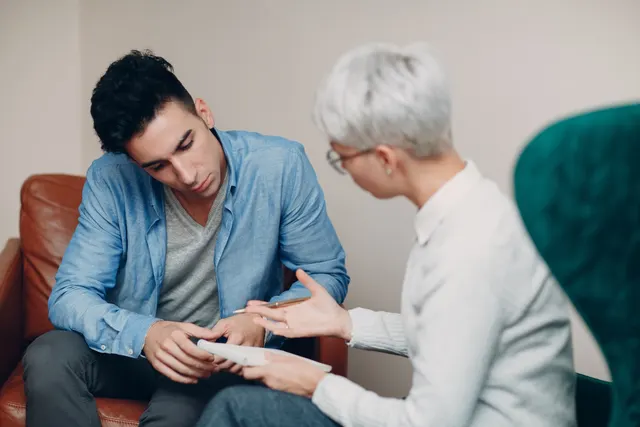
One-on-one counseling creates a private space to explore motivation, co-occurring mental health concerns, and personal goals. Your therapist may use behavioral therapy approaches (for example, CBT or DBT-informed work) tailored to treatment for substance use and mood symptoms. Sessions often include values work, strengths identification, and practical planning for your week. As you stabilize, your clinician will adjust session targets to match your progress and prepare you for step-down care.
Group therapy sessions
Group therapy is central in most rehab programs, as it offers structure, feedback, and accountability in a supportive environment. Process groups help you make sense of experiences, reduce shame, and learn from peers facing similar challenges. Skills groups teach relapse-prevention tools, communication strategies, boundary-setting, and problem-solving. Psychoeducational groups deepen understanding of substance use disorder, brain and body recovery, and how routines support healing. Many clients find that group therapy accelerates progress by providing honest reflection and encouragement.
Family therapy and involvement
With your consent, clinicians can facilitate family meetings and education about substance use disorders. Family sessions focus on communication, healthy boundaries, and concrete ways loved ones can support the recovery process at home. For many clients, reintegrating into family life is both a motivation and a stressor. Practicing conversations in session and setting expectations together reduces friction later and supports sustained progress after inpatient treatment ends.
Peer support
Connection is protective. In-house recovery meetings and peer-led support groups help you build relationships that outlast a single level of care. Sharing wins, setbacks, and strategies with others nurtures accountability and hope. As discharge approaches, your team will help you identify community-based meetings and recovery resources so you can carry those connections forward.
Integrated care for co-occurring conditions
Co-occurring mental health conditions are common and treatable. Screening during intake and ongoing evaluation allow your team to address mental health and substance use together, an approach associated with better outcomes and continuity of care. Your individualized treatment plan may include medication management, trauma-informed therapy, or additional supports based on your history and goals.
Approaching day 30: aftercare & transition
The first month lays the foundation; the transition plan sustains a successful recovery journey. As day 30 approaches, your team works with you to right-size next steps based on your progress, risks, home environment, and schedule. Step-down levels of care
Many clients transition to outpatient treatment, either standard outpatient therapy or an intensive option. Our Portland treatment center offers PHP and IOP to maintain structure while you live at home or in recovery housing. Step-down intensity is matched to clinical need: the more support you need, the more hours you’ll attend each week. Relapse-prevention planning
You’ll develop a written plan that includes your personal triggers, early-warning signs, and specific coping strategies. Practical steps might include a daily routine, a craving-management plan, accountability check-ins, and crisis contacts. If medication-assisted treatment is part of your plan, we’ll coordinate refills, follow-ups, and provider hand-offs so there are no gaps. 30/60/90-day goals
Clear, achievable goals guide ongoing treatment. Examples include attending a set number of therapy sessions per week, participating in peer support meetings, maintaining medication schedules, building sleep and movement routines, and reconnecting with sober supports. Your clinician will help you set milestones and adjust them as life changes. Family and social reintegration
Returning home can be both exciting and challenging. You’ll practice boundary-setting, conflict resolution, and communication skills in session. Families receive guidance on how to support your recovery journey without over-functioning and how to respond to stress or setbacks. Your ongoing treatment process may include scheduled family check-ins, shared calendars, or agreements around privacy and support. Discover Recovery’s approach & quality oversight Discover Recovery provides a continuum of care that starts with medically supervised detox and residential (inpatient) treatment in Long Beach and Camas, WA. Residential clients often transition to our sober living program for continued grounding and support. Clients at our Camas location often continue with our PHP or IOP services in Portland, OR. At every stage, care is delivered by a multidisciplinary team grounded in evidence-based practices for substance use disorder and co-occurring mental health conditions. Our luxury rehab facilities feature private or semi-private accommodations and holistic, experiential options such as movement, creative arts, and mindfulness, that enhance engagement and well-being. Throughout your stay, clinical leadership and quality oversight ensure that safety, ethics, and client outcomes guide decision-making.
What to Bring (and What to Leave Home)
Packing for residential treatment doesn’t need to be complicated. Most facilities provide bedding, towels, and toiletries - check with admissions about what’s supplied. Bring:
- 7–10 days of casual, comfortable clothing (laundry facilities are available)
- Comfortable shoes and one pair of athletic shoes
- Current prescription medications in original, sealed packaging
- Photo ID and insurance cards
- A small amount of cash for incidentals
- Books, journals, or personal items that bring comfort
Leave home:
- Alcohol, drugs, or items associated with use
- Electronics with internet access (most facilities restrict these during early treatment)
- Valuables or large amounts of cash
- Opened over-the-counter medications
- Clothing referencing substances or alcohol
Your admissions team will provide a complete, facility-specific list before you arrive. When in doubt, ask.
FAQs
What is a typical day like in rehab?
Expect a structured environment with morning check-ins, group therapy, individual counseling, skills or education blocks, wellness or creative activities, and evening peer support. Built-in quiet time supports rest and reflection so you can integrate what you’ve learned.
Is 30 days enough for drug or alcohol addiction treatment?
Thirty days is a strong start: it allows for stabilization, assessment, and consistent therapeutic work. But recovery is ongoing. Many clients continue care after residential treatment in an intensive outpatient program or standard outpatient therapy. Your team will recommend the right duration based on your progress, risks, and support system.
How long does detox take?
Many detox plans last three to seven days, but timelines vary by substances used, dosage and duration, and overall health. Clinicians monitor symptoms and adjust care until you’re stable enough to participate fully in therapy and skills practice.
What happens when I first arrive at a rehab center?
You complete the intake and assessment process, meet your care team, receive an initial schedule, and, if indicated, begin medically supervised detox. Orientation to the environment, routines, and communication guidelines helps you settle in quickly.
How does outpatient treatment fit into recovery?
After residential care, many clients step down to outpatient rehab to maintain momentum while returning to daily life. Depending on clinical needs, this may include an intensive outpatient program (multiple sessions per week) or weekly individual therapy and groups. The goal is continuity: keeping the structure and support that help you succeed.
Discover Recovery’s Approach
Discover Recovery provides a full continuum of care: medically supervised detox and residential treatment program in Long Beach and Camas, WA - both offering Pacific Northwest coastal settings that support healing beyond the clinical environment. Residential clients often transition to our sober living program for continued grounding and structure. Clients at our Camas location frequently continue with PHP or IOP services in Portland, OR. Care at every level is delivered by a multidisciplinary team grounded in evidence-based practices for substance use disorder and co-occurring mental health conditions. Discover Recovery is CARF-accredited and Joint Commission approved - third-party quality standards that reflect our commitment to safety, ethics, and patient outcomes. We also serve veterans through the VA Community Care Network.
Conclusion
Your first 30 days in rehab create a foundation for lasting change: safe stabilization, a personalized treatment plan, and daily practice of new skills. Through individual therapy, group therapy, peer connection, and thoughtful aftercare planning, you’ll leave with clarity, momentum, and a roadmap for what comes next. At Discover Recovery, we meet you where you are, supporting your goals with evidence-based care and a structured, compassionate environment designed for healing.