

Vicodin contains two active ingredients — hydrocodone, a Schedule II opioid, and acetaminophen, the same pain reliever found in Tylenol. It’s prescribed for moderate to…
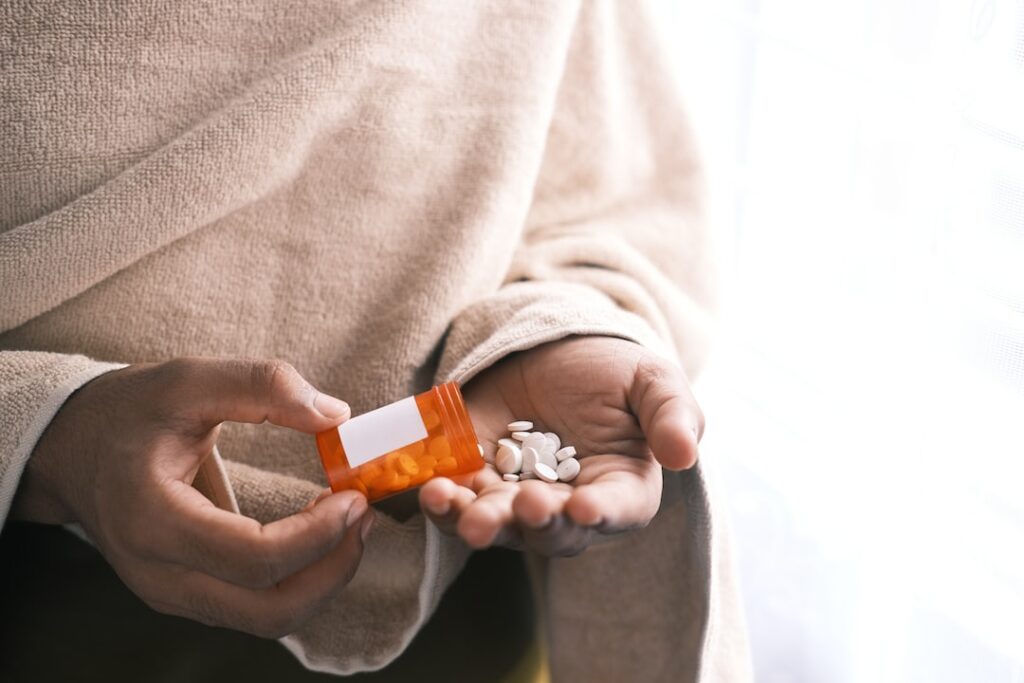
If you’ve been prescribed hydrocodone — or you’re trying to understand someone else’s use — the question of how long it stays in your system…

One of the first questions people ask about a partial hospitalization program is simple: “Do I have to live there?” The answer — no, you…

If you or someone you love has just completed residential treatment, or is being assessed for outpatient care, you’ve likely heard two acronyms: PHP and…

Inpatient vs. Outpatient Rehab: Which Is Right for You?Inpatient and outpatient rehab both work — but they work for different people in different situations. The…
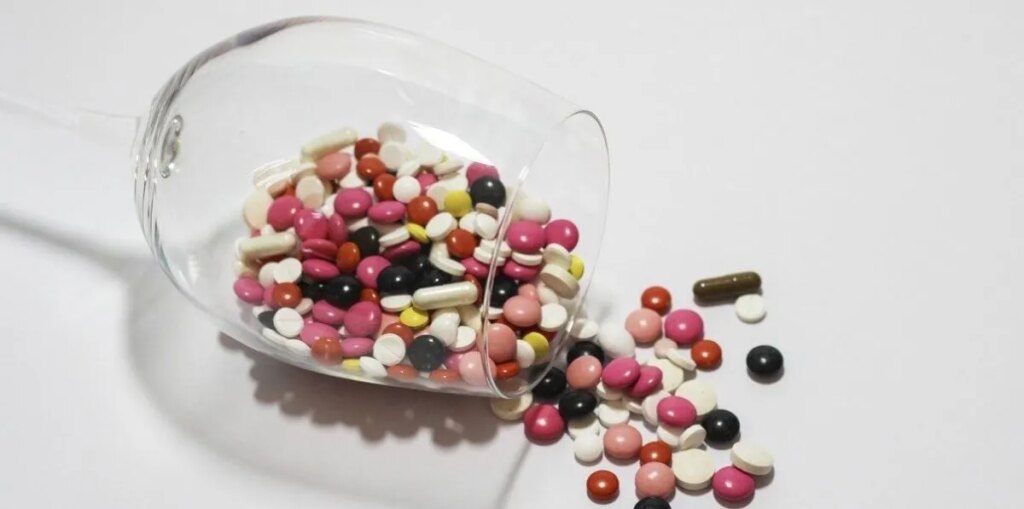
Stimulants and depressants are two broad categories of drugs — and they work in opposite directions. Stimulants speed up the central nervous system. Depressants slow…
DMT (N,N-Dimethyltryptamine) is a powerful psychedelic that produces some of the most intense hallucinations reported from any substance. Users describe geometric fractals, entity encounters, and…

Dependent personality disorder (DPD) is a mental health condition defined by a persistent, excessive need to be cared for by others — producing submissive behavior,…
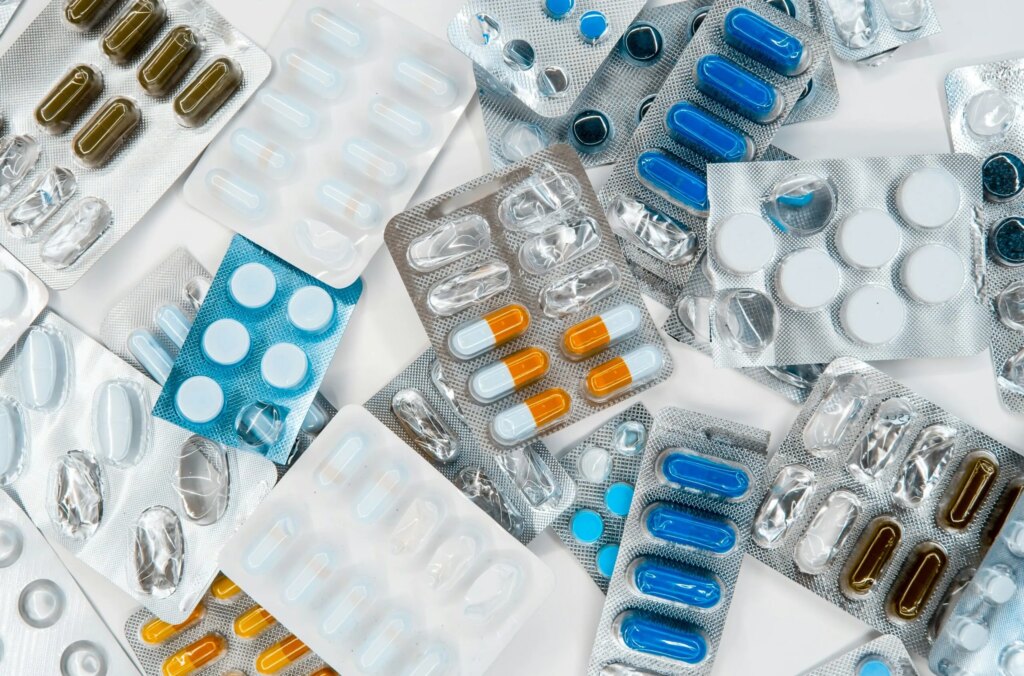
When you’re not sure what a pill is, there are ways to find out. Online tools and resources can help you identify pills and find…
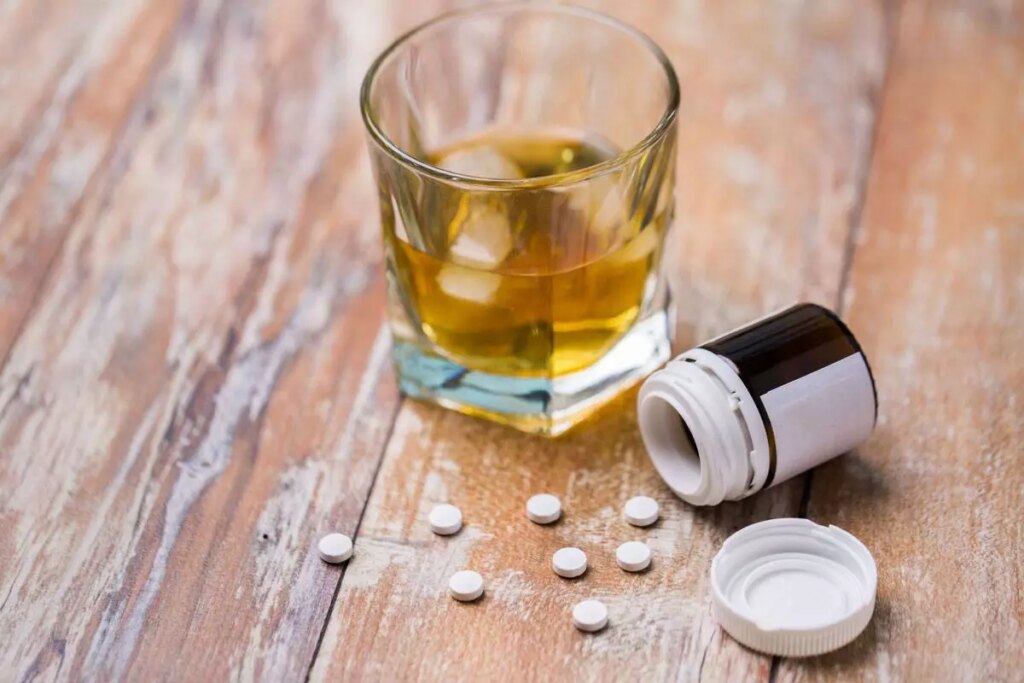
The 12-Step program developed by Alcoholics Anonymous is the world’s most effective and widely available path to alcohol recovery. Research shows that AA participants achieve…