One of the first questions people ask about a partial hospitalization program is simple: “Do I have to live there?” The answer - no, you go home each evening - is exactly what makes PHP different, and it shapes the entire rhythm of the day.
A partial hospitalization program (PHP) is an intensive, structured level of outpatient care where you attend several hours of treatment during the day and return home, or to sober living, each night. If you want the full breakdown of how this level of care works, see our program overview to partial hospitalization. This article focuses on something more specific: what an actual weekday in PHP looks and feels like.
Below, you’ll find a real sample schedule from Discover Recovery’s Portland program, a look at why each part of the day matters, what going home each evening involves, and a story from someone who lived it.
How a PHP Day Is Structured (And Why You Go Home at Night)
A PHP day delivers intensive clinical treatment during daytime hours, then sends you home in the evening to practice what you’ve learned in real life. That “go home at night” design is the defining feature of PHP. You get close to the intensity of residential care - multiple therapy groups, skills sessions, and clinical support each day - without living on-site. The reason matters. Recovery skills are easier to learn in a structured setting, but they only stick when you use them in your actual environment. PHP lets you do both in the same day: build the skill in the morning, then practice it at home that evening. This balance makes PHP a common step down from residential treatment, and a step up from less intensive outpatient care for people who need more support than a few hours a week.
A Sample PHP Daily Schedule
A typical PHP day at Discover Recovery runs Monday through Friday, structured around group work, skills sessions, and holistic therapy, with a break for lunch midday. Here’s a sample schedule. Note: Schedules vary by location and client needs. Your care team works with you to build the right routine.
| Time | Activity |
| 9:00 AM | Process group |
| 10:30 AM | Breathwork or relapse prevention |
| 12:00 PM | Lunch break |
| 1:00 PM | Topic group or creative therapy |
| 3:00 PM | Sound bath or recovery skills session |
This is one example, not a fixed template. The exact mix of groups and therapies is tailored to where you are in your recovery and what your care team recommends.
What Each Part of the PHP Day Does
Every block on the schedule serves a purpose. Here’s the “why” behind the day.
Morning Process Group
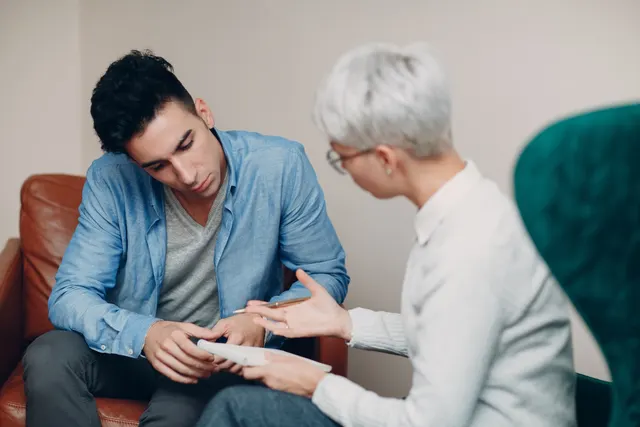
The day opens with a process group - a facilitated space to talk honestly about what you’re working through with people who understand it. Starting here sets the tone. It builds connection early and surfaces what each person needs to focus on for the rest of the day.
Breathwork or Relapse Prevention
Mid-morning shifts to practical skills. Breathwork teaches you to regulate stress and cravings through the body, while relapse prevention focuses on identifying triggers and building a concrete plan to handle them. Both are tools you’ll use that same evening once you’re home - which is the entire point of an outpatient model.
Lunch and Transport
Midday brings lunch and a real break. Shared meals do quiet work in recovery: they normalize routine and build connection with other people in the program. For clients in sober living or supportive housing, getting to the program is built into the structure - a van brings clients to the center and back, and lunch is catered each day. That removes logistical barriers that might otherwise get in the way of showing up.
Topic Group or Creative Therapy
Afternoons move into focused learning or creative work. A topic group might cover a specific recovery theme - coping skills, communication, understanding addiction - while creative therapy uses art and self-expression to process emotions that talk therapy alone can’t always reach.
Sound Bath or Recovery Skills Session
The day closes on a grounding note. A sound bath supports nervous-system regulation and calm, while a recovery skills session reinforces the practical tools that carry you through the evening and into the next day. Ending with regulation rather than intensity helps you transition smoothly from the structure of the program back to home.
What Returning Home Each Evening Looks Like
When the clinical day ends, PHP clients go home - and that’s where a different kind of recovery work begins. The evening is where the day’s skills get tested. Practicing a coping technique in your own environment, around your own triggers, is what turns a classroom skill into a durable one. For clients who need more stability, sober living or supportive housing provides accountability and community after hours. Many people in PHP stay in this kind of structured housing while they build their footing. This combination - intensive days, supported evenings - is what makes PHP work. You’re never just dropped back into your old environment without tools; you’re practicing recovery in real time, with a clinical team to debrief with the next morning.
What an Alumnus Says About PHP at Discover Recovery
The clearest picture of a day in PHP comes from someone who lived it. This is a review from an alumnus of Discover Recovery’s program. “From day one I put into Discover Recovery what I needed to get out of this awesome source of recovery and sobriety. The team of counselors, Techs, therapist’s, out reach,: clinical, these employees of Discover Recovery really do care about everyone that walks through those doors. The house manager’s are on top of their game. A van transports clients to the Center, and back to apartment, or housing. They provide lunch catered every day. I put Discover Recovery in my top 5 treatment places I’ve been to! 6 stars Excellent quality and they really do care! I recommend this place to family and friends” - Morey W., Discover Recovery alumni Morey’s review captures the housing-supported version of the PHP experience: the daily catered lunch, the van that brought clients to the center and back to their housing, the house managers, and a clinical team that shows up. It’s the PHP day described from the inside.
Is PHP Right for You? How It Compares to Residential and IOP
PHP sits in the middle of the continuum of care - more intensive than standard outpatient, less restrictive than living on-site. Compared to residential treatment, PHP offers similar daytime intensity but lets you go home at night, which often makes it a natural step down after residential. Compared to an intensive outpatient program (IOP), PHP involves more hours per day and more clinical structure, making it the better fit when you need significant support but not 24-hour care. Many people move through these levels in sequence - residential to PHP to IOP - stepping down as they stabilize, with aftercare supporting long-term recovery. The right starting point depends on your clinical needs, your home environment, and your history, which an admissions team can help you sort out.
Starting PHP at Discover Recovery
If an intensive, structured day with the freedom to go home each evening sounds like what you or someone you love needs, the next step is a simple conversation. Discover Recovery offers PHP at our Portland, OR location, with care for substance use disorders and co-occurring mental health conditions. We’re CARF-accredited and Joint Commission approved. Call us at 866.719.2173 to talk through your options - the conversation is free, and there’s no pressure to decide anything on the spot. You can also verify your insurance online in just a few minutes. Many people find their coverage goes further than they expected.