
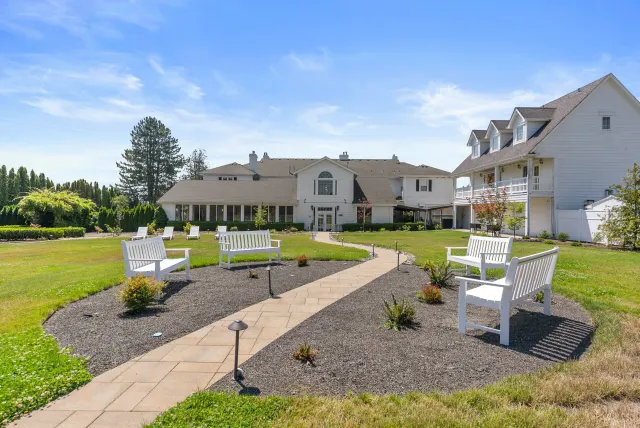
Most people picture residential treatment before they ever set foot in it - and what they imagine is usually wrong. Some expect a cold, hospital-like ward. Others picture a hands-off luxury retreat. The reality of a day in the life of residential treatment sits somewhere more grounded: a steady, intentional routine built to help you heal.
Residential treatment is the level of care where you live on-site and follow a structured daily schedule of therapy, meals, and recovery work in a supervised, substance-free environment. If you want the full picture of how this level of care works, see our guide to residential treatment. This article focuses on something narrower and more human: what an actual day looks and feels like.
Below, you’ll find a real sample schedule from Discover Recovery, a look at why each part of the day matters, and stories from people who lived it at our Camas, Washington location.
Why a Daily Routine Matters in Recovery
A structured daily routine is one of the most therapeutic parts of residential treatment - not a side effect of it. Addiction erodes routine first. Sleep, meals, and a sense of order are usually among the earliest casualties of active substance use. Rebuilding a predictable day helps the brain and body regulate again. That structure does quiet, important work. Showing up on time, eating regular meals, and following through on a plan rebuilds self-trust day by day. It also replaces the hours that active addiction used to consume. The goal isn’t rigidity. A good residential schedule balances clinical work, rest, connection, and free time - so the rhythm feels supportive rather than controlling.
A Sample Daily Schedule in Residential Treatment
A typical day in residential treatment runs from early morning to evening, structured around therapy, meals, holistic practices, and personal time. Here’s a sample daily schedule. Note: Schedules vary by location and client needs. Case managers work with you to create the right routine.
| Time | Activity |
| 7:15 AM | Morning meditation and check-in |
| 8:00 AM | Breakfast |
| 9:00 AM | Process group or DBT skills session |
| 10:30 AM | Holistic therapy (e.g., breathwork or movement) |
| 12:00 PM | Chef-prepared lunch |
| 1:15 PM | Individual therapy or gender-specific group |
| 3:00 PM | Creative therapy (e.g., art or pottery) |
| 5:00 PM | Dinner |
| 6:00 PM | Recovery meeting or sound bath |
| 7:30 PM | Free time |
This is one example, not a fixed template. The exact mix of groups, therapies, and activities is tailored to where you are in your recovery and what your care team recommends.
What Each Part of the Day Does
Every block on the schedule serves a purpose. Here’s the “why” behind the day.
Mornings: Meditation and Check-In
The day opens with meditation and a check-in to set a steady tone before the harder work begins. Starting calm and intentional - rather than rushed - helps regulate mood and focus for the hours ahead. Simply waking up, showing up, and starting the day consistently is part of rebuilding the routine addiction disrupted.
Group Therapy and DBT Skills
Group work is the clinical core of residential treatment. Process groups create a safe, facilitated space to be honest and supported without judgment. Dialectical behavior therapy (DBT) skills sessions are more practical. DBT - an evidence-based therapy that teaches emotional regulation and distress tolerance - gives you concrete tools to use when cravings or difficult feelings hit in real life.
Holistic and Creative Therapy
Holistic and creative therapies address recovery through the body and the senses, not just conversation. Breathwork, movement, art, and pottery give you ways to process emotion that talk therapy alone can’t always reach. These sessions also rebuild something addiction often takes: the capacity to find calm, focus, and even enjoyment without substances.
Individual Therapy
Individual therapy is your one-on-one time with a primary therapist to work on personal goals and the issues underneath the addiction. This is often where the deepest trust is built. For many people, this relationship becomes the anchor of their stay - a place to be fully honest, sometimes for the first time.
Meals and Nutrition
Shared, chef-prepared meals do more than provide nutrition. Eating well and eating together helps normalize routine and rebuild connection with other people in recovery. Regular meals also support the physical healing that early recovery depends on.
Evenings and Free Time
Evenings shift from intensive clinical work toward connection, reflection, and rest. A recovery meeting or sound bath helps process the day, while free time gives you space to decompress. Evenings can be emotionally tender in early recovery. Building in both community and quiet helps you practice handling that - a skill that matters long after treatment ends.
What Residents Say About a Day at Discover Recovery Camas
The best picture of a day in residential treatment comes from people who have lived it. These are reviews from former residents of Discover Recovery’s Camas, Washington location. “When I arrived at Camas, I didn’t know what to expect. From the moment I checked in, I was greeted warmly by one of the techs, who immediately eased a lot of my anxiety… During my 30-day stay, there were numerous group sessions led by knowledgeable counselors, as well as opportunities for one-on-one counseling. My counselor always made time for me, which helped me build trust and become more open with both her and myself. The program offered yoga, meditation groups, breathing exercises, and even equestrian therapy… What started as one of the scariest times of my life became one of the most positive and transformative experiences I’ve ever had, thanks to the staff at Camas.” - Jeffrey B., Camas review (Google) Jeffrey’s experience maps directly onto the schedule above - the warm intake, the daily rhythm of group and individual work, and the holistic therapies that make the day more than just clinical hours. “If you’re in your addiction, but make a choice to live, you’ve found the right place. The people here are as good as you can hope to find. Every staff member here, from maintenance to therapists to the nurses, to counselors to the owners are just incredible. Many of them are in recovery themselves… The thoroughness and quality of this program is impressive. You do some difficult work, but they also take care of you and do some really fun things as well. The facility is beautiful, but the people and recovery here are even more beautiful. As a bonus… Chef Nora is rad. She fed us right!” - Julian M., Camas review (Google) Julian names the same balance the schedule is built around: real clinical work paired with genuine care, good food, and moments of connection. That mix is what makes a structured day sustainable.
How Residential Fits the Full Continuum of Care
Residential treatment is one stage in a longer continuum, not a standalone fix. At Discover Recovery, a typical path can move through several connected levels of care. That continuum runs from medical detox to residential, then steps down through partial hospitalization (PHP) and intensive outpatient (IOP), into sober living and aftercare. The advantage of a full continuum is continuity. You don’t have to transfer to a new provider or start over with new clinicians as your needs change - the structured day you build in residential becomes the foundation for everything that follows.
Starting Residential Treatment at Discover Recovery
If a structured, supportive day like the one above sounds like what you or someone you love needs, the next step is a simple conversation. Discover Recovery offers residential treatment across our Long Beach, Camas, and Portland locations, with care for substance use disorders and co-occurring mental health conditions. We’re CARF-accredited and Joint Commission approved. Call us at 866.719.2173 to talk through your options - a conversation is free, and there’s no pressure to decide anything on the spot.You can also verify your insurance online in just a few minutes. Many people find their coverage goes further than they expected.