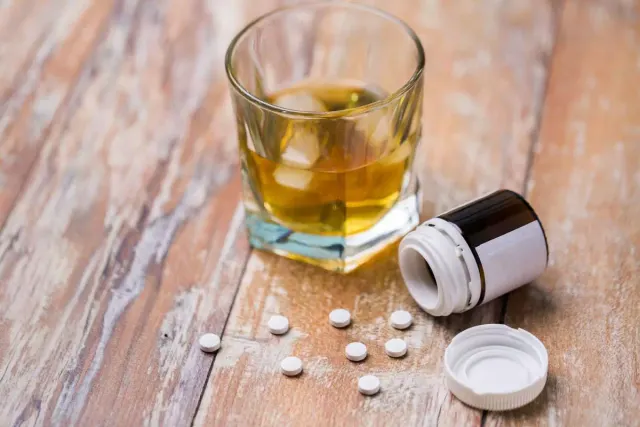

Alcohol can take the edge off PTSD for a few hours. It can quiet a racing mind at bedtime, blunt the jolt of a reminder, or make a crowded room feel bearable. That relief is real, and it’s a big part of why PTSD and alcohol use so often show up together.
About 1 in 3 people who have had PTSD have also had an alcohol use disorder (AUD). The relief doesn’t last. Repeated drinking can make sleep, anxiety, and avoidance worse. Both conditions are treatable, though, and they don’t have to be treated one at a time. Clinical trials and current treatment guidelines both support addressing PTSD and alcohol use together.
This article is for education only and isn’t a substitute for advice from your own medical provider.
How Common Are PTSD and Alcohol Use Disorder Together?
PTSD and AUD often occur together, and the overlap runs in both directions. People with PTSD are more likely to develop problems with alcohol. People in treatment for alcohol are more likely to have PTSD.
| Finding | Source |
|---|---|
| About 1 in 3 people who have experienced PTSD have also had AUD in their lifetime | NIAAA, Alcohol Research: Current Reviews (2018) |
| 30% to 60% of people seeking treatment for AUD also meet criteria for PTSD | NIAAA, Alcohol Research: Current Reviews (2018) |
| 45% of U.S. adults with PTSD also have problems with drug or alcohol use | VA National Center for PTSD (2025) |
| Veterans who have had PTSD are 2 times as likely to have problems with alcohol as veterans who have not | VA National Center for PTSD (2025) |
When both conditions are present, clinicians call them co-occurring disorders, or a dual diagnosis. People with both tend to have a harder course than people with either one alone. That includes more depression and anxiety, more severe symptoms, and higher rates of suicide attempts.
Why Do People With PTSD Drink?
The best-supported explanation is self-medication: drinking to ease PTSD symptoms like poor sleep, irritability, and feeling constantly on guard. Researchers describe other pathways too, and more than one can be true for the same person (Straus et al., 2018).
Drinking to Quiet Symptoms
Beyond sleep and hypervigilance, alcohol can make it easier to avoid thoughts and feelings tied to the trauma, or to relax in social settings. For most people who have both conditions, PTSD develops first, according to the VA National Center for PTSD (2025).
Drinking May Also Raise the Risk of Trauma
The relationship can run the other way, too. Heavy drinking can make it harder to notice danger, which may raise the chance of accidents, assaults, and other traumatic events. Drinking after a trauma may also interfere with emotionally processing what happened. The evidence for these pathways is mixed and weaker than for self-medication (Straus et al., 2018).
Shared Risk Factors
Some of the overlap comes from shared roots rather than one condition causing the other. Genetic factors, family environment, and childhood adversity raise the risk of both. People with PTSD and AUD together are more likely than people with either condition alone to have experienced neglect, abuse, or other hardship in childhood (Straus et al., 2018).
Does Alcohol Make PTSD Worse?
Alcohol often makes PTSD symptoms worse day to day, even though it can dull them for a few hours. It can make sleep less restful, and in people who drink heavily, anxiety rebounds as it wears off. Drinking also reinforces avoidance, a core PTSD symptom. The long-term picture is more mixed. Studies suggest the two conditions influence each other, but PTSD appears to have a stronger effect on drinking than drinking has on PTSD. Researchers call this mutual maintenance: each condition can help sustain the other.
Sleep Problems
Many people with PTSD drink to get to sleep. According to the VA, alcohol can make sleep less restful, so the rest people are drinking for doesn’t arrive. Poor sleep can then add to the irritability and trouble concentrating that are already part of PTSD.
Rebound Anxiety and Hyperarousal
As alcohol leaves the body, anxiety can climb. In people who drink heavily, withdrawal symptoms increase anxiety and hyperarousal, the on-edge, easily startled state that PTSD already produces. That sets up a loop: drinking to calm down, feeling worse as the alcohol wears off, then drinking again.
Avoidance Keeps PTSD Going
Avoiding reminders of the trauma is one of the core symptoms of PTSD, and it’s one of the main things that keeps the disorder in place. Drinking to push memories away brings short-term relief. Repeated use, though, reinforces that avoidance and may interfere with emotionally processing the trauma.
Mood, Depression, and Suicide Risk
Having both PTSD and a substance use disorder is linked to a higher risk of depression, anxiety, and suicide (VA National Center for PTSD, 2025). These are associations, not proof that drinking causes them, but they’re a reason not to wait for help. If you’re thinking about suicide, help is available now. Call or text 988 to reach the 988 Suicide & Crisis Lifeline. Veterans can reach the Veterans Crisis Line by calling 988 and pressing 1, or by texting 838255.
When Drinking to Cope Becomes a Problem
Drinking to cope becomes an alcohol use disorder when it causes at least 2 of 11 specific symptoms within a 12-month period. Those symptoms come from the DSM-5, the standard manual clinicians use to diagnose mental health conditions, and fall into four groups (Straus et al., 2018):
| Symptom group | What it can look like |
| Impaired control | Drinking more, or for longer, than you intended |
| Social problems | Continuing to drink even when it causes trouble with family or friends |
| Risky use | Getting into dangerous situations while or after drinking, such as driving |
| Physical dependence | Needing much more alcohol to get the same effect |
Two to three symptoms indicate mild AUD, four to five moderate, and six or more severe. For people with PTSD, a few patterns are worth noticing (VA National Center for PTSD, 2025). They include drinking when something reminds you of the trauma, needing alcohol to fall asleep, or drinking to face situations you’d otherwise avoid. If that sounds familiar, a professional assessment can clarify what’s happening and what level of alcohol use disorder treatment fits.
Do You Have to Stop Drinking Before Treating PTSD?
No. The 2023 VA/DoD guideline for PTSD says a substance use disorder should not keep anyone from recommended PTSD treatment. People who are physically dependent on alcohol may need medical detox first. For years, a common view in the field held that working directly on trauma would push people with alcohol problems to drink more. As a result, some programs put off trauma therapy until after a period of sobriety. Clinical trials have not borne that concern out (Foa et al., 2013).
What the Research Shows
A 2013 randomized trial published in JAMA followed 165 people with PTSD and alcohol dependence, the diagnosis used before DSM-5 introduced AUD. Prolonged exposure therapy, a trauma-focused treatment, did not increase drinking or alcohol craving. Participants taking naltrexone, a medication for alcohol use disorder, drank on fewer days during treatment. Six months after treatment ended, people who had received both prolonged exposure and naltrexone had the lowest drinking levels. A 2019 trial in JAMA Psychiatry enrolled 119 veterans with PTSD and alcohol use disorder. It compared an integrated version of prolonged exposure with an integrated coping-skills therapy. Both reduced drinking by similar amounts, but the exposure-based therapy reduced PTSD symptoms more. Project Harmony, published in the American Journal of Psychiatry in 2023, pooled data from 36 clinical trials covering 4,046 people with PTSD and alcohol or other drug use disorders. Medications for alcohol use and trauma-focused therapies were the treatments most consistently linked to improvement. Combining trauma-focused therapy with medication produced the largest improvements by the end of treatment.
What the Guidelines Say
The 2023 VA/DoD clinical practice guideline states that co-occurring conditions, including substance use disorders, should not prevent someone from receiving a recommended PTSD treatment. The VA National Center for PTSD (2025) says PTSD and substance use can be treated successfully at the same time. That can mean two therapies running side by side, or one integrated therapy such as COPE (Concurrent Treatment of PTSD and Substance Use Disorders Using Prolonged Exposure). NIAAA (2025) reaches the same conclusion: when AUD and another mental health condition occur together, treatment is most likely to succeed when both are addressed. None of this means heavy drinking through treatment is the goal, or that stopping suddenly is safe. For anyone who is physically dependent on alcohol, the first step is usually medical withdrawal management.
How PTSD and Alcohol Use Disorder Are Treated Together
Integrated treatment typically combines safe withdrawal when it’s needed, trauma-focused therapy, alcohol-focused therapy, and medication where it helps.
Safe Withdrawal Comes First When There Is Physical Dependence
Alcohol withdrawal can be life-threatening when someone who has been drinking heavily for a long time stops suddenly, according to NIAAA (2025). Symptoms can include seizures and delirium tremens. Anyone who drinks heavily most days should talk with a medical provider before quitting, not stop on their own. A medical detox program manages withdrawal under medical supervision, so therapy can begin once the body is stable. For people with PTSD, supervision matters even more, because withdrawal raises the same anxiety and hyperarousal the disorder already causes.
Trauma-Focused Therapy Alongside Alcohol-Focused Therapy
The 2023 VA/DoD guideline recommends psychotherapy over medication as the primary treatment for PTSD (Annals of Internal Medicine). Three trauma-focused therapies carry its recommendation:
- Prolonged exposure (PE): gradually approaching trauma memories and avoided situations until they lose their hold
- Cognitive processing therapy (CPT): identifying and changing unhelpful beliefs that formed after the trauma
- Eye movement desensitization and reprocessing (EMDR therapy): processing traumatic memories while following guided eye movements or other back-and-forth stimulation
Alcohol-focused therapies work on the drinking itself. The VA (2025) lists motivational enhancement therapy, which builds readiness to change. It also lists cognitive-behavioral therapy, which helps people recognize and cope with high-risk situations, and relapse prevention, which plans ahead for triggers.
Medications
Medication can support recovery from both conditions.
- For alcohol use disorder: three medications are FDA-approved: naltrexone, acamprosate, and disulfiram, the oldest of the three. In the JAMA trial above, naltrexone reduced drinking days in people with both conditions.
- For PTSD: the 2023 VA/DoD guideline recommends sertraline, paroxetine, and venlafaxine.
The same guideline recommends against benzodiazepines, such as alprazolam (Xanax) and lorazepam (Ativan), and against cannabis for treating PTSD (ISTSS summary). If you currently take a benzodiazepine, don’t stop abruptly. Talk with your prescriber, because benzodiazepine withdrawal also needs medical guidance.
The Importance of Dual Diagnosis PTSD and Substance Abuse Treatment
When PTSD and alcohol abuse occur together, they require a specialized approach known as dual diagnosis PTSD and substance abuse treatment. A dual diagnosis program integrates therapies that address both PTSD symptoms and alcohol dependence, ensuring that neither condition is treated in isolation. At Discover Recovery, we provide personalized treatment plans that focus on:
- Trauma-focused therapies such as EMDR and CBT,
- Individual and group counseling to address PTSD triggers,
- Holistic therapies like yoga, meditation, and breath work,
- Medication-assisted treatment (when appropriate) to support recovery, and
- Relapse prevention strategies tailored to each individual’s needs.
By treating both PTSD and alcohol use simultaneously, individuals can achieve lasting healing and build a healthier, more stable future.
PTSD and Alcohol Treatment in Washington and Oregon
Discover Recovery treats PTSD and substance use at the same time, not in sequence. All of our mental health programming is delivered alongside substance use treatment, so trauma and drinking are addressed within one integrated plan. PTSD treatment is available at our residential treatment centers in Camas and Long Beach, WA, and at our outpatient clinic in Portland, OR. Depending on each person’s needs, care can include:
- Medical detox with 24/7 monitoring
- Individual, group, and family therapy, including CBT, EMDR, and prolonged exposure
- Medication management for mental health symptoms
Our clinicians use trauma-informed methods designed to avoid re-traumatization. Discover Recovery is a VA Community Care provider. Through our veterans treatment program, we work with VA care teams on treatment plans and aftercare. Our programs are CARF-accredited and Joint Commission approved. Learn more about our PTSD treatment program. For substances other than alcohol, read our guide to PTSD and addiction.