
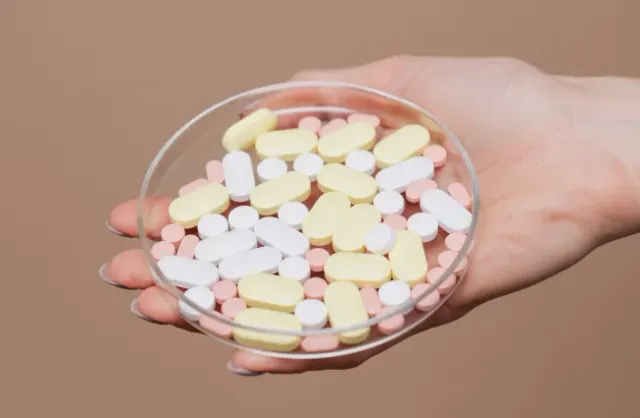
ADHD medications are prescription drugs used to manage the core symptoms of attention-deficit/hyperactivity disorder - including inattention, impulsivity, and hyperactivity. They don’t cure ADHD, but for most people, they make it significantly more manageable.
Two main classes are available: stimulants, which are the most commonly prescribed first-line treatment, and non-stimulants, which are a clinically sound alternative for those who can’t tolerate stimulants or have a history of substance use. Both classes work by increasing the availability of key brain chemicals involved in focus and self-regulation.
This guide covers how each class works, the most commonly prescribed medications in each category, a side-by-side comparison table, and what you should know about adderall dependency risk before starting treatment.
What Are ADHD Medications?
ADHD medications are FDA-approved prescription treatments used to reduce symptoms of attention-deficit/hyperactivity disorder in both children and adults. The FDA has approved several medications for ADHD in children as young as age 6, and most carry the same approval for adult use. All ADHD medications share one core mechanism: they increase the levels of neurotransmitters in the brain - primarily dopamine and norepinephrine - that regulate attention, impulse control, and motivation. When those chemical signals aren’t functioning efficiently, the hallmark symptoms of ADHD emerge. Medication helps restore that balance. Medication is typically used alongside behavioral therapy, especially in children. For many adults, it’s the cornerstone of a broader treatment plan that may also include coaching, therapy, and lifestyle strategies.
How Do ADHD Medications Work?
All ADHD medications increase dopamine and norepinephrine activity in the brain, but they do so through different mechanisms - and that distinction matters when understanding why some people respond better to one medication than another. Stimulants act quickly. Most begin working within 30 to 60 minutes of the first dose. Within the stimulant class, the two main sub-types work slightly differently: amphetamine-based medications (like Adderall and Vyvanse) primarily push neurons to release more dopamine and norepinephrine. Methylphenidate-based medications (like Ritalin and Concerta) primarily block the brain’s reabsorption of those chemicals, allowing them to stay active longer. Non-stimulants work more gradually. Unlike stimulants, they don’t produce an immediate effect - most require two to six weeks of consistent use before reaching full effectiveness. They work through separate mechanisms, generally increasing norepinephrine availability or modulating receptors that influence attention and impulse control. The result of both approaches is the same: improved ability to focus, reduced impulsivity, and better behavioral regulation.
Stimulant ADHD Medications
Stimulants are the most commonly prescribed treatment for ADHD in both children and adults. They’re classified as Schedule II controlled substances by the DEA, meaning they have recognized medical use but also a meaningful potential for misuse and dependence. Research consistently shows that approximately 70–80% of people with ADHD experience significant symptom improvement with stimulant medication once the right drug and dose are identified. Stimulants come in two formulations: immediate-release (IR), which lasts 3–6 hours and may require multiple daily doses, and extended-release (ER or XR), which provides coverage for 8–14 hours and is typically taken once daily.
Amphetamine-Based Stimulants
Amphetamine medications are among the most widely prescribed ADHD treatments in the United States. They work by prompting neurons to release larger amounts of dopamine and norepinephrine into the synaptic gap. Adderall (amphetamine/dextroamphetamine) is available in both immediate-release and extended-release (Adderall XR) forms. It’s one of the most commonly prescribed ADHD medications and has decades of clinical use behind it. For an in-depth look at how Adderall compares to other stimulants, see our guide to Adderall vs. Ritalin. Vyvanse (lisdexamfetamine) is an extended-release amphetamine with an important design difference: it’s a prodrug, meaning it’s inactive until your body metabolizes it. After ingestion, enzymes in the bloodstream convert it to active dextroamphetamine. This gradual conversion produces a smoother, more consistent effect and makes it harder to misuse by crushing or snorting - a meaningful consideration for people with a history of substance use. We cover Adderall vs. Vyvanse in detail separately. Dexedrine (dextroamphetamine) is an older amphetamine option, prescribed less frequently today but FDA-approved and effective for some patients who don’t respond well to mixed-salt formulations.
Methylphenidate-Based Stimulants
Methylphenidate medications work primarily by blocking the brain’s reuptake of dopamine and norepinephrine - keeping those chemicals active in the synapse for longer rather than pushing for greater release. Ritalin (methylphenidate) is an immediate-release tablet typically taken two to three times daily. It has one of the longest clinical track records in ADHD treatment and is often tried first in younger children because of its established safety profile and the ability to titrate doses precisely. Concerta (methylphenidate ER) delivers extended-release methylphenidate over 10–12 hours using a unique osmotic pump system. One daily dose is designed to provide consistent, steady-state coverage - useful for people whose schedules make multiple dosing impractical. Focalin (dexmethylphenidate) is a refined form of methylphenidate - it uses only the more active portion of the compound. Available in both IR and XR formulations, it’s prescribed when a lower effective dose is preferred.
Non-Stimulant ADHD Medications
Non-stimulants are not controlled substances. They carry no meaningful risk of addiction and don’t produce the same immediate effect as stimulants - but for a significant number of people, they’re the right clinical choice. ADHD specialists typically recommend non-stimulants when: stimulants haven’t worked or caused intolerable side effects, the patient has a co-occurring anxiety disorder that stimulants worsen, or there’s a personal or family history of substance use that makes stimulant therapy higher risk.
Atomoxetine (generic; formerly Strattera)
Atomoxetine was the first non-stimulant medication approved by the FDA for ADHD. It’s a selective norepinephrine reuptake inhibitor (SNRI) - it increases norepinephrine availability specifically, without the dopamine surge that stimulants produce. It’s taken once or twice daily and approved for children age 6 and older and adults. Full effectiveness typically requires four to six weeks of consistent use. Important safety note: Atomoxetine carries aboxed warning from the FDA for increased risk of suicidal ideation in short-term studies in children and adolescents with ADHD. Patients started on atomoxetine should be monitored closely for suicidal thinking, clinical worsening, and unusual changes in behavior - particularly early in treatment. Families and caregivers should maintain close communication with the prescriber. The brand name Strattera was discontinued in 2023; generic atomoxetine is widely available.
Viloxazine (Qelbree)
Viloxazine is a newer non-stimulant, FDA-approved for ADHD in children ages 6 and older and adults - making it the first novel non-stimulant option approved for adults in two decades (approved for adults in 2022). Like atomoxetine, it’s taken once daily. It works through a similar norepinephrine-focused mechanism but with a somewhat different receptor profile, which may account for differences in tolerability between the two. It’s not a controlled substance and carries no addiction risk. For patients who didn’t tolerate atomoxetine well, viloxazine is a distinct option worth discussing with a prescriber.
Guanfacine (Intuniv) and Clonidine (Kapvay)
Both guanfacine and clonidine are alpha-2 adrenergic agonists - medications originally developed to treat high blood pressure that were later found to reduce hyperactivity, impulsivity, and distractibility in people with ADHD. The extended-release versions - Intuniv (guanfacine) and Kapvay (clonidine) - are FDA-approved for ADHD in children and are sometimes used as adjunctive therapy alongside stimulants in adults. Key consideration: both can cause drowsiness, especially when starting treatment, and can lower blood pressure. They’re not typically a first-line standalone choice for adults, but they play a meaningful role in multi-medication ADHD treatment plans.
ADHD Medication Comparison Table
The table below compares the most commonly prescribed ADHD medications by class, formulation, typical duration, and key clinical notes.
| Medication | Class | Schedule | Typical Duration | Key Notes |
| Adderall (amphetamine/dextroamphetamine) | Stimulant - amphetamine | Schedule II | IR: 4–6 hrs / XR: 8–10 hrs | IR and XR forms; widely prescribed; full guide available |
| Vyvanse (lisdexamfetamine) | Stimulant - amphetamine | Schedule II | 10–14 hrs | Prodrug; lower misuse potential; once daily |
| Dexedrine (dextroamphetamine) | Stimulant - amphetamine | Schedule II | IR: 4–6 hrs / ER: 8 hrs | Less commonly prescribed; effective for some |
| Ritalin (methylphenidate) | Stimulant - methylphenidate | Schedule II | 3–5 hrs | IR; multiple daily doses; long safety record |
| Concerta (methylphenidate ER) | Stimulant - methylphenidate | Schedule II | 10–12 hrs | Osmotic pump delivery; once daily |
| Focalin (dexmethylphenidate) | Stimulant - methylphenidate | Schedule II | IR: 4–6 hrs / XR: 8–10 hrs | Refined methylphenidate; IR and XR available |
| Atomoxetine (generic / formerly Strattera) | Non-stimulant - SNRI | Not controlled | 24 hrs (builds over weeks) | FDA boxed warning: suicidal ideation risk in pediatric patients |
| Viloxazine (Qelbree) | Non-stimulant | Not controlled | 24 hrs | FDA-approved for ages 6+, adults (2022); no addiction risk; once daily |
| Guanfacine (Intuniv) | Non-stimulant | Not controlled | 24 hrs | Alpha-2 agonist; may cause drowsiness |
| Clonidine (Kapvay) | Non-stimulant | Not controlled | 12–24 hrs | Originally for hypertension; second-line option |
Side Effects and Risks of ADHD Medications
All ADHD medications have side effects. The profile differs significantly between stimulants and non-stimulants, and individual responses vary - finding the right medication often requires some trial and adjustment with a prescribing physician.
Stimulant Side Effects
Common stimulant side effects include reduced appetite, difficulty sleeping, increased heart rate, headache, dry mouth, and anxiety. Most are dose-dependent and tend to be most pronounced when first starting treatment. The FDA has updated its boxed warnings for prescription stimulants to specifically highlight the risks of misuse, addiction, and overdose. These medications should be taken exactly as prescribed, stored securely - particularly in households with children or teenagers - and never shared. Serious but rare side effects include cardiovascular events (particularly in people with pre-existing heart conditions), psychiatric symptoms such as new or worsening anxiety or psychosis, and growth concerns in children with long-term use.
Non-Stimulant Side Effects
Non-stimulants carry a different side effect profile. Atomoxetine and viloxazine most commonly cause nausea, fatigue, decreased appetite, and mood changes. Atomoxetine carries the FDA boxed warning on suicidal ideation risk in pediatric patients noted above - monitoring is required early in treatment. Guanfacine and clonidine most commonly cause drowsiness and can lower blood pressure - which is why they’re typically started at low doses and titrated carefully. Dizziness upon standing is a commonly reported issue. The key advantage of non-stimulants: they are not controlled substances and carry no meaningful risk of dependency or misuse.
Can ADHD Medications Cause Addiction?
This is a reasonable question - and one worth answering clearly. Stimulant ADHD medications are Schedule II controlled substances. They have real dependency potential, particularly when taken in doses higher than prescribed, or by people without ADHD who use them for cognitive enhancement or recreational purposes. A 2025 systematic review published in Frontiers in Psychiatry found that more than one in five people prescribed stimulant medication reported some form of misuse. At the same time, the picture is more nuanced than “ADHD medications are addictive.” Research consistently shows that people who take stimulants as prescribed - at therapeutic doses, for a diagnosed condition - do not show increased rates of substance use disorder compared to untreated individuals with ADHD. In some studies, appropriate treatment with stimulant medication was associated with lower rates of substance abuse, likely because it reduces the impulsivity that drives many risky behaviors. There’s an important distinction between physical dependence - the body adapting to a medication’s presence, which is expected with long-term stimulant use - and addiction - compulsive use despite harmful consequences. Dependence is manageable and expected. Addiction is a clinical condition that requires treatment. People at higher risk for stimulant misuse include those with a prior history of substance use disorder, untreated co-occurring anxiety or depression, or high-stress environments (college campuses, high-demand professional settings). For these individuals, non-stimulant medications are often the safer clinical choice.If stimulant medication has become something you’re taking outside the prescribed guidelines - higher doses, more frequently, or in ways not prescribed - that’s worth talking to someone about. Our Adderall addiction treatment program is designed specifically for this.
ADHD as a Co-Occurring Condition in Addiction Treatment
ADHD and substance use disorder frequently occur together. Research from the National Institute on Drug Abuse indicates that people with ADHD are significantly more likely to develop a substance use disorder than the general population - and many people who enter addiction treatment have ADHD that was never properly identified or treated. In some cases, stimulant misuse begins as self-medication: people who struggle with focus, impulsivity, or emotional dysregulation may find that stimulants provide relief - and cross a line into dependency before they recognize it happening. Effective treatment for this population requires addressing both conditions simultaneously. Treating the substance use disorder without addressing the underlying ADHD often leaves people vulnerable to relapse; treating ADHD without addressing the addiction isn’t clinically complete either.At Discover Recovery, our dual diagnosis treatment programs assess and treat co-occurring conditions - including ADHD - alongside substance use disorder at our locations in Camas, WA, Long Beach, WA, and Portland, OR. If you or someone you love is navigating both an addiction and a condition like ADHD, you don’t have to choose which one to treat first.