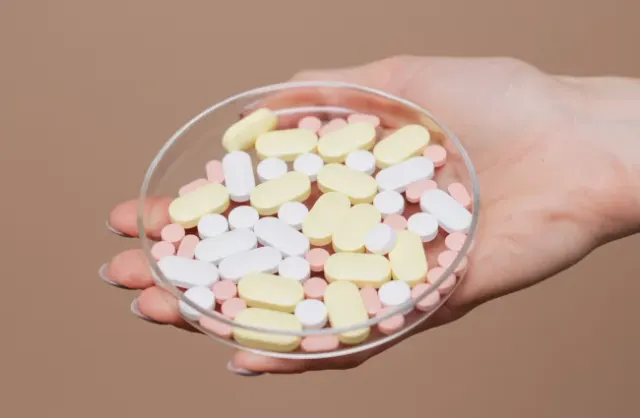
Gabapentin is a prescription anticonvulsant medication that has several legitimate medical uses. But this drug is sometimes used recreationally by people looking for a “high,” especially in combination with other drugs and alcohol. Gabapentin tablets and capsules are sold on the street as “gabbies”. People who misuse or abuse gabapentin frequently take the drug at higher doses than typically prescribed doses, putting themselves at considerable risk. Gabapentin has a half-life of 5-7 hours in healthy adults and typically stays in your system for approximately 48 hours (2 days) after your last dose. However, detection times vary depending on the test used: urine (1-3 days), blood (5-7 hours), and hair (up to 90 days). Factors like kidney function, age, and drug interactions significantly influence how long the medication remains in your body. We will talk about the risks of abusing gabapentin and how long gabapentin stays in your system.
Quick Reference: Gabapentin Elimination Timeline
Half-Life: 5-7 hours in healthy adults
Complete Elimination: Approximately 48 hours (2 days) after last dose
Detection Times by Test Type:
-
Urine Tests: 1-3 days (most common testing method)
-
Blood Tests: 5-7 hours after last dose
-
Saliva Tests: Not detectable
Hair Tests: Up to 90 days (rarely performed)
How Long Does Gabapentin Stay in Your System?
Gabapentin follows a predictable elimination curve in people with healthy kidney function.
Half-life: 5–7 hours. This is the time it takes for gabapentin concentration in the bloodstream to drop by half. According to the NCBI, it takes approximately five half-lives for a drug to reach near-full elimination.
5–7 hours × 5 = 25–35 hours to near-full elimination.
Most people are free of gabapentin within 48 hours (2 days) of their last dose, with roughly 94–97% of the drug eliminated by that point.
What makes gabapentin distinctive pharmacologically is how it leaves the body. Unlike most medications, gabapentin bypasses the liver almost entirely and is excreted unchanged through the kidneys. This makes kidney function, not liver health, the primary variable in how long it lingers.
Detection Windows by Test Type
|
Test Type |
Detection Window |
Notes |
|
Urine |
1–3 days |
Most reliable method; requires specialized testing to detect |
|
Blood |
5–7 hours |
Clears quickly; rarely used for gabapentin specifically |
|
Saliva |
Not detectable |
Standard saliva swabs do not test for gabapentin |
|
Hair follicle |
Up to 90 days |
Theoretically possible but rarely ordered in practice |
Urine testing is the most practical method for gabapentin detection and is what specialized screens use when gabapentin is specifically ordered. Hair follicle tests could theoretically detect past gabapentin use, but this is highly unusual – it is not a substance that hair follicle panels routinely include.
How Long Does Gabapentin Stay Detectable on Drug Tests?
Standard drug screenings typically do not test for gabapentin. However, specialized tests can be ordered to detect its presence.
Urine Tests
Detection Window: 1-3 days after last dose
Urinalysis is the most common method for detecting gabapentin. Because gabapentin is eliminated primarily through the kidneys, urine testing provides the most reliable detection window.
Blood Tests
Detection Window: 5-7 hours after last dose
Blood tests can detect gabapentin for only a short timeframe, making this method less practical and rarely used.
Saliva Tests
Detection Window: Not detectable
Gabapentin is not detectable in saliva swab tests.
Hair Tests
Detection Window: Up to 90 days
Hair follicle tests might detect gabapentin for up to 90 days, but this testing method is highly unusual and rarely performed.
Will Gabapentin Show Up on a Standard Drug Test?
No, gabapentin will not show up on standard 5-panel, 10-panel, or 12-panel drug tests. These routine screenings test for marijuana, cocaine, opioids, amphetamines, and benzodiazepines - but not gabapentin.
Does Gabapentin Cause False Positives?
No. Gabapentin has a unique chemical structure that does not cross-react with the immunoassay tests used in standard panels. It will not trigger a false positive for opioids, benzodiazepines, or any other substance on a routine screen.
Factors That Influence How Long Gabapentin Stays in Your System
Kidney Function
This is the most significant factor. Since gabapentin is eliminated through the kidneys, impaired kidney function dramatically slows the drug’s clearance.
In patients with severe kidney impairment, the half-life can extend to 52 hours or longer - more than seven times longer than in people with healthy kidneys. For individuals on dialysis, elimination takes even longer.
Age
Older adults tend to eliminate gabapentin more slowly than younger individuals, primarily because kidney function naturally declines with age. Healthcare providers often adjust dosing for older patients to account for slower elimination.
Drug Interactions
Certain medications can affect gabapentin concentrations in your body.
Medications that can increase gabapentin levels include:
- Opioid painkillers (morphine, hydrocodone, oxycodone)
- Over-the-counter pain relievers like naproxen
- Stomach acid medications like cimetidine
The combination of gabapentin with opioids is particularly concerning, as this can increase the risk of respiratory depression (slowed or stopped breathing).
What Is Gabapentin and What Is It Used For?
Gabapentin is a prescription anticonvulsant medication available under brand names Neurontin, Horizant, and Gralise. It has a chemical structure similar to the neurotransmitter GABA (gamma-aminobutyric acid), which slows brain activity.
FDA-Approved Uses
The FDA has approved gabapentin to treat:
- Certain types of seizures in adults and children with epilepsy
- Postherpetic neuralgia (nerve pain following shingles)
- Restless legs syndrome (extended-release formulations)
Common Off-Label Uses
Healthcare providers may also prescribe gabapentin for:
- Nerve pain (diabetic neuropathy, peripheral neuropathy)
- Fibromyalgia and chronic pain conditions
- Anxiety disorders
- Migraine prevention
- Alcohol and drug withdrawal symptoms
Gabapentin Misuse and Addiction Risk
While not federally controlled, there are growing concerns about gabapentin misuse. Some people abuse gabapentin recreationally because it can produce euphoria, relaxation, and enhanced sociability - especially at high doses or when combined with opioids or alcohol.
Gabapentin prescriptions have grown from approximately 18 million in 2004 to 47 million in 2021. While much reflects legitimate medical use, misuse is also rising. On the street, gabapentin is sometimes sold as “gabbies.”
Risks of Misuse
Misusing gabapentin, particularly with other substances, can cause:
- Respiratory depression (especially with opioids)
- Severe sedation and loss of consciousness
- Impaired motor function and coordination
- Physical and psychological dependence
- Withdrawal symptoms when stopping abruptly
Gabapentin Withdrawal
People who use gabapentin regularly can develop dependence. When they stop, withdrawal symptoms may occur:
Timeline:
- Onset: 12 hours to 7 days after last dose
- Duration: Typically 7-10 days
- Peak: Within the first few days
Common symptoms include:
- Anxiety and agitation
- Insomnia
- Nausea
- Dizziness
- Sweating
- Mood changes
- Headaches
- Increased heart rate
Abrupt discontinuation has been associated with seizures, particularly in people taking high doses. Medical supervision is essential when stopping gabapentin to ensure safe tapering and symptom management.
Comparing Gabapentin to Other Medications
| Medication | Half-Life | Elimination Time | Metabolism |
| Gabapentin | 5-7 hours | ~2 days | Kidneys |
| Hydrocodone | 3-4 hours | ~1 day | Liver |
| Diazepam (Valium) | 20-70 hours | ~7-14 days | Liver |
| Alprazolam (Xanax) | 11-16 hours | ~2-4 days | Liver |
Gabapentin’s kidney-based elimination makes it unique among commonly prescribed medications, which is why it’s often preferred for patients with liver disease.
When to Seek Help for Gabapentin Misuse
If you or a loved one is struggling with gabapentin abuse or dependence, professional help is essential. Signs you may need treatment include:
- Taking gabapentin in larger amounts than prescribed
- Using gabapentin without a prescription
- Combining gabapentin with other substances to enhance effects
- Experiencing cravings or withdrawal symptoms
- Continuing use despite negative consequences
Why Medical Detox Matters
Supervised detox under medical care ensures safe, comfortable withdrawal with 24/7 monitoring, medications to ease symptoms, structured tapering, and emotional support. Abruptly stopping gabapentin - especially after prolonged use - can trigger dangerous withdrawal symptoms, including seizures.
Get Help at Discover Recovery
At Discover Recovery Treatment Centers in Washington and Oregon State, we offer holistic substance abuse treatment programs tailored to each client’s unique needs. Our multi-level rehabilitation programs for prescription drug abuse address the root causes of addiction.
Our Evidence-Based Approach
- Medically supervised detoxification for safe withdrawal
- Individual therapy to address underlying issues
- Group counseling for peer support
- Holistic therapies including mindfulness and wellness activities
- Family therapy to repair relationships
- Continuing care planning for long-term recovery
Don’t let gabapentin misuse control your life. Call us today and take the first step toward a healthier future, free from dependence.
Frequently Asked Questions
Does gabapentin show up on a 10-panel drug test?
No, gabapentin does not appear on standard 10-panel drug tests. These screen for common substances like THC, cocaine, opioids, and amphetamines, but not gabapentin. A specialized test must be specifically ordered.
How long does gabapentin stay in your system with kidney disease?
In people with impaired kidney function, elimination is significantly slower. The half-life can extend to 52 hours or longer, meaning gabapentin could remain in the system for several days rather than the typical 48 hours.
Will gabapentin show up on a pre-employment drug test?
Gabapentin typically will not show up on standard pre-employment screenings. However, if you have a valid prescription and an employer specifically requests gabapentin testing (rare), you should disclose this to the testing facility.
How long after stopping gabapentin can I drink alcohol?
Wait at least 48 hours (until gabapentin is fully eliminated) before consuming alcohol. Combining gabapentin with alcohol can intensify side effects like dizziness, drowsiness, and impaired coordination. Discuss this with your healthcare provider for personalized guidance.
Does gabapentin accumulate in your system with regular use?
With normal dosing, gabapentin reaches a steady state where the amount taken equals the amount eliminated. However, in people with kidney disease, it can accumulate if doses aren’t properly adjusted.
Can I speed up gabapentin elimination?
There’s no proven way to significantly speed up elimination. Staying well-hydrated may support normal kidney function, but won’t dramatically change the timeline. The drug clears naturally over approximately 48 hours.
What’s the difference between Neurontin and gabapentin elimination times?
There is no difference. Neurontin is a brand name for gabapentin. Both have the same half-life (5-7 hours) and elimination time (approximately 48 hours). If you’re ever unsure about what medication or pills you have, utilizing a pill identifier can be invaluable.
How long does gabapentin withdrawal last?
Withdrawal symptoms typically begin 12 hours to 7 days after the last dose and last approximately 7-10 days. However, some individuals may experience symptoms for longer periods depending on dosage, length of use, and individual factors.