
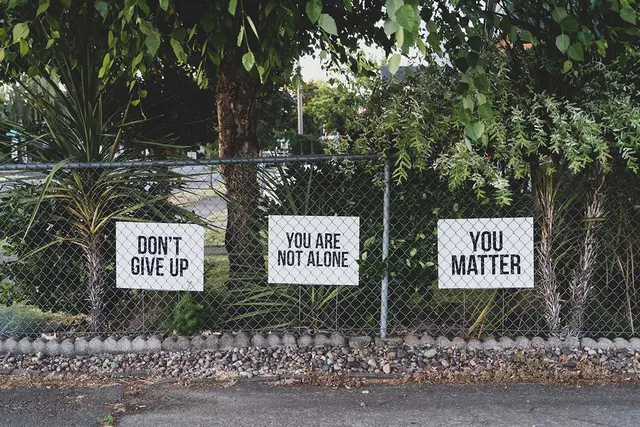
Crystal meth is a highly addictive drug that can cause permanent damage to the brain and body. Crystal meth isn’t so much a drug as it is a disease, making it difficult for those who use the substance to recover from its effects. The meth recovery process can be long and complex, but users can get their life back if they put in the effort. Follow these steps to avoid relapse and get your life back on track. In recovery terms, this means abstaining from all drugs, including crystal meth and other substances used to make or increase the high experienced from crystal meth.
Meth Recovery Process
There are five stages of the meth recovery process. Each stage is unique and requires different methods to get through successfully.
- Withdrawal stage. It is the most critical time for a meth user. The first week or so of withdrawal in meth detox will be the hardest as your brain and body adjust to the sudden shift in how you use crystal meth. The mental toll of withdrawal will be higher than anything you experienced before using the drug, and you will seem emotionally unstable and agitated. It can last up to six weeks, depending on how far along in your addiction you are.
- Honeymoon stage. The honeymoon stage is the shortest in the meth recovery process and can last for about 2-3weeks after the withdrawal stage ends come to the honeymoon stage, which may go unnoticed. Because you’ve increased your stamina and energy level, you’ll notice that it’s easier to get things done. However, it’s also during this time that cravings for meth are most apparent. You’ll notice that you want to use crystal meth even more than before, but you can quickly get through this without relapsing if you follow the remaining steps in the recovery process.
- The wall stage. During this stage, your brain goes through the most challenging part of withdrawal. After weeks of feeling depressed and irritable, you’ll feel much better in this stage. Your brain will adjust to functioning without crystal meth in the nervous and emotional systems, but it won’t have fully adjusted to functioning without crystal meth in the physical system. At this stage, one is vulnerable to relapse due to the brain chemical dopamine. This stage can last up to 10 or more weeks, depending on how long you used crystal meth and how high of a dose you used.
- Adjustment stage. After the wall, your brain has finally made the adjustments it needs to make to function without crystal meth. The risk for relapse subsides at this point, but you still need to work on rebuilding your life. Work on getting yourself to the level of fitness and self-discipline you were before you started using crystal meth. It’s essential to work on your life outside of meth, as addiction doesn’t just stop with a drug addiction; it also changes how you live your life and how other people interact with you. It is when many addicts begin getting jobs or volunteering to help others, which are things they may not have been doing before their addiction.
- Resolution stage. The resolution stage can last for many years. During this stage, you make sure your life is back on track, not just in terms of your physical health but your emotional and mental health. The meth recovery process is never over when the drug has been cleaned out of your system. The brain will still crave crystal meth, even if you no longer use the drug. However, the brain receptors responsible for this craving will be out of balance. You’ll have to take time getting that into balance to get your life back on track and begin living free from addiction.
What Is PAWS, and How Does It Affect Meth Recovery?
Post-Acute Withdrawal Syndrome (PAWS) refers to neurological and psychological symptoms that persist beyond the acute withdrawal period. In meth recovery, PAWS can produce waves of depression, brain fog, sleep disruption, and low motivation - sometimes for months after Stage 1 ends. PAWS is not relapse. It is not a sign that recovery is failing. It reflects the slower timeline of brain healing compared to physical detox. According to the National Institute on Drug Abuse (NIDA), cognitive improvements in people recovering from stimulant use disorders can continue for a year or more after stopping use. The brain is capable of remarkable recovery - but it does not operate on a linear schedule. Most people experience PAWS in waves rather than as a constant state: a period of feeling well, followed by a difficult few days, followed by improvement again. Knowing that PAWS is a normal part of the recovery process - and that its waves tend to decrease in frequency and intensity over time - is one of the most useful things a person in recovery can understand.
Does the Brain Actually Recover After Meth Use?
Yes. The evidence on this is substantial: research published in peer-reviewed literature has shown measurable improvements in brain function - including the dopamine system - after sustained abstinence from methamphetamine. Some recovery is visible within months; other neurological repair, particularly in areas governing cognitive function and impulse control, takes a year or longer. This is one of the most important things to understand about meth recovery: the discomfort of the wall stage and PAWS isn’t permanent damage. It’s healing in progress. The brain’s capacity for neuroplasticity - its ability to form new connections and restore function - is one of the core reasons treatment works. It’s also why structure, therapy, and sustained support during recovery aren’t just helpful; they’re giving the brain the conditions it needs to repair itself.
Tips for Making the Meth Recovery Process Easier
There are a few things that you can do to make the meth recovery process more manageable and ensure your success in getting through it.
- Stay as active as possible during the withdrawal. Being active is vital to help ease some of the negative symptoms of withdrawal. Activities like exercise, dancing, hiking, or sleeping are all things that you can do to help ease the symptoms of withdrawal. Walking around the block is good; it gives your body a break and gets you out of the house.
- Improve hydration and nutrition. Dehydration and malnutrition can significantly affect your ability to recover from meth. Water is crucial to keeping your body functioning at its best, so you must stay hydrated. Try to drink more water than you did before coming into meth recovery. Try to get some form of protein intake in as well; this will help maintain the muscles and metabolism that you’ll need for you to be able to recover successfully.
- Check out support groups. Meth support groups, like Narcotics Anonymous, NA, and Crystal Meth Anonymous, CMA, are a great place to go if you’re trying to recover from meth. These groups provide a non-judgmental and empathetic environment where you can let out all the problems you’ve been through during your addiction. They also offer a plethora of advice for staying clean and sober, which is extremely valuable in the early stages of recovery.
- Get plenty of sleep during this time. Getting the proper amount of sleep during withdrawal is critical to help get you through. Research has shown that insomniacs tend to relapse more than non-insomniacs, so it’s more important during recovery that you get the proper amount of sleep. When you’re sleeping, the chemicals in the body begin to calm down, and you’ll feel happier and less irritable.
Meth recovery statistics are improving. A study by the National Institute on Drug Abuse (NIDA) shows that, in 2020, 43 percent of people addicted to meth had gotten clean and remained clean one year later. It is an improvement compared to the 2014 figure of 33.1 percent. Therefore, there is hope for people trying to recover from meth addiction. Meth addict family member support is essential to recovery. The positive attitude of the recovering meth addict increases the likelihood of their success. If you think a family member or loved one might be using meth, learn more about what meth smells like to help identify.
Where to go if you’re ready to take the next step
The five stages of meth recovery are predictable - but that doesn’t make them easy. Each one brings different challenges, and the risk of relapse shifts as you move through them. What stays constant is that professional support, structured treatment, and time all matter. If you or someone you love is ready to start, Discover Recovery offers methamphetamine addiction treatment across our Washington and Oregon locations - including medical detox, residential care, and outpatient programs built around evidence-based care and dual diagnosis treatment. Call us at 866.719.2173 or verify your insurance online - a conversation is free, and your coverage may include more than you think.